Switching to solar energy directly shrinks your carbon footprint by replacing fossil-fuel-dependent grid electricity with clean, infinite power harvested straight from the sun. By generating your own emission-free electricity, a residential solar installation significantly prevents greenhouse gases from entering the atmosphere while shielding your household from rising utility costs.
Table of Contents
- 1.What is Solar Energy and How Does it Work?
- 2.Cost Savings and Electricity Bill Reduction
- 3.Factors Affecting Solar Efficiency and Environmental Impact
- 4.Government Rebates and Incentives in Australia
- 5.Residential vs Commercial Solar Use
- 6.Residential Solar
- 7.Commercial Solar
- 8.Practical Tips for Choosing Solar Systems
- 9.Frequently Asked Questions
- 10.How much can solar panels save in Australia?
- 11.Are solar panels worth it in Australia?
- 12.What rebates are available for solar systems?
- 13.How long does it take for a solar panel to "pay back" its manufacturing carbon?
- 14.Can I recycle solar panels in Australia?
- 15.Conclusion
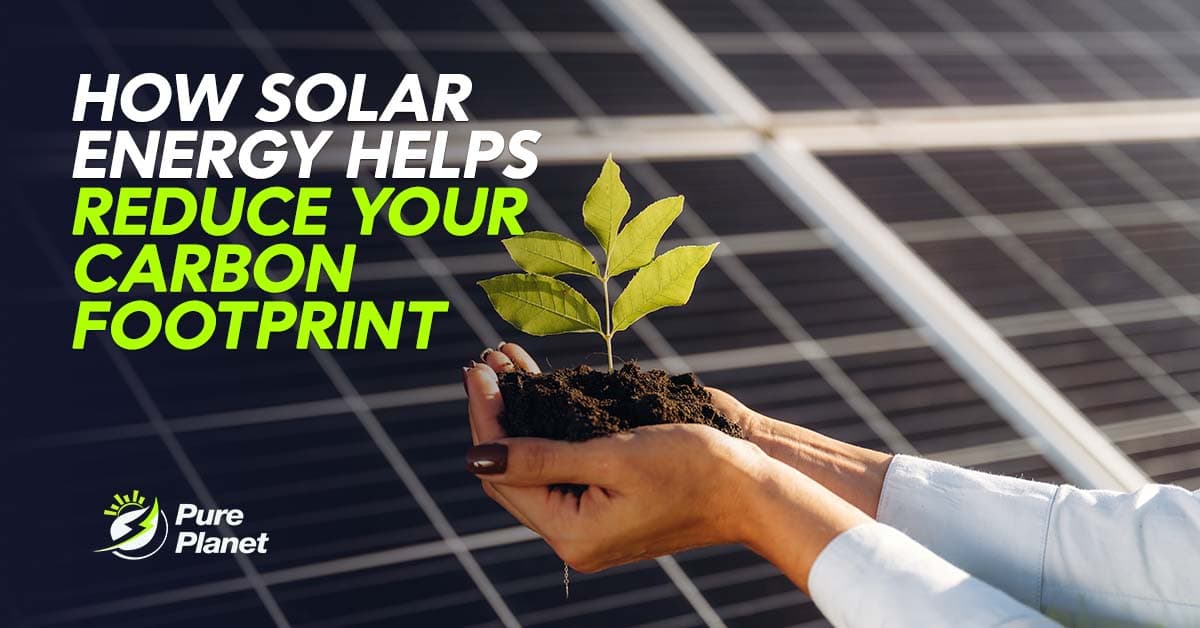
Solar energy helps reduce your carbon footprint by replacing electricity generated from fossil fuels with clean, renewable power harvested directly from the sun. By installing solar panels, a typical Australian household can prevent several tonnes of carbon dioxide (CO2) from entering the atmosphere every year. Because solar power produces zero greenhouse gas emissions during operation, it is the most effective tool for individuals and businesses to combat climate change while lowering their daily energy costs.
In Australian households, solar systems typically offset the equivalent emissions of planting over 100 trees annually. A properly installed solar system can provide decades of clean energy, ensuring that your home’s environmental impact remains low for the long term.
Most homeowners notice reduced electricity bills and a sense of environmental pride as they transition away from coal-fired power toward renewable energy Australia wide.
What is Solar Energy and How Does it Work?
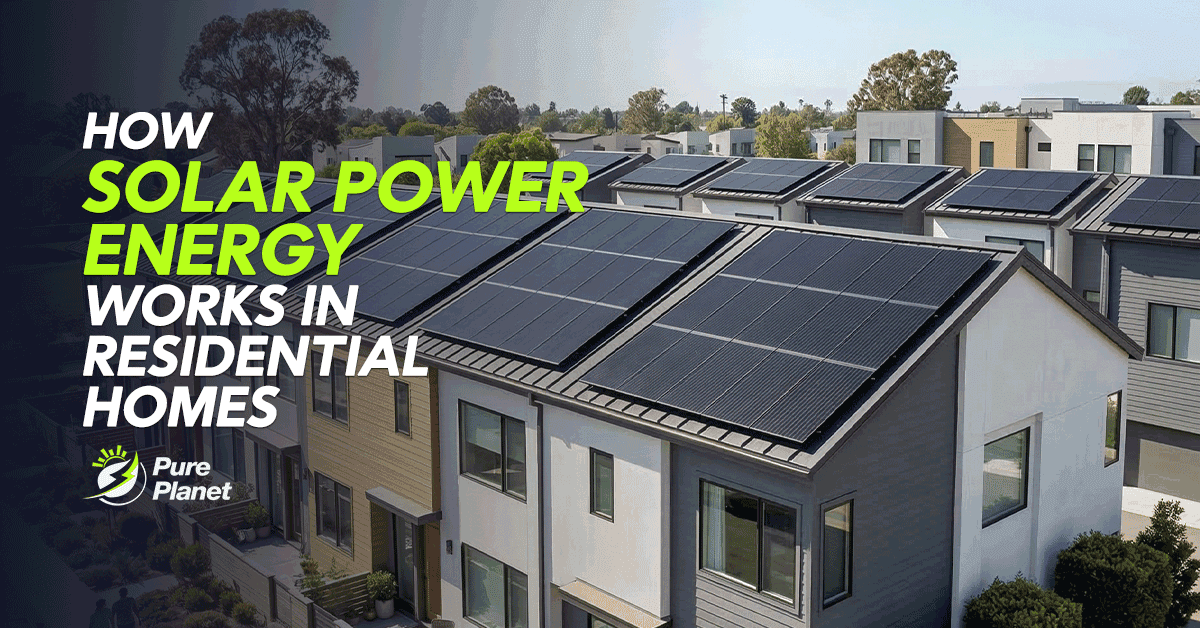
Solar energy is a renewable energy source that converts sunlight into electricity using solar panels, helping households and businesses reduce reliance on grid power. When sunlight hits the photovoltaic (PV) cells within the solar panels, it creates a flow of direct current (DC) electricity.
This energy then travels through inverter systems, which transform it into alternating current (AC) to power your appliances and lighting.
By generating power at the point of consumption, you reduce the "transmission losses" that occur when electricity travels over long distances from traditional power stations. This localized generation is a core component of a modern, low-carbon grid connection.
Cost Savings and Electricity Bill Reduction
While the environmental benefits are significant, the financial solar energy savings are often the primary driver for Australian families. By producing your own power, you avoid the rising costs of grid electricity and high network charges.
Most homeowners notice reduced electricity bills when they align their heavy energy consumption, such as running pool pumps or washing machines, with peak daylight hours. If your system produces more than you need, you can earn credits via a feed-in tariff or store that power in solar battery storage for evening use. You can explore our solar panel services to see how a tailored design maximizes these financial returns.

Factors Affecting Solar Efficiency and Environmental Impact
To get the most out of your system and maximize the reduction in your solar energy carbon footprint, certain technical factors must be optimized. Efficiency is not just about the panels themselves but how they are integrated into your property.
Roof Orientation: In Australia, North-facing panels generally produce the most energy, leading to the highest carbon offset.
Panel Quality: High-efficiency panels generate more power per square metre, which is essential if you have limited roof space.
Regular Maintenance: Keeping panels free of dust and debris ensures they capture the maximum amount of sunlight possible.
A well-designed system ensures that every photon of sunlight is used effectively. For a deeper look at system performance, check out our solar blog for maintenance tips and technology updates.
Government Rebates and Incentives in Australia
The Australian government encourages the adoption of clean power through various solar rebates and incentives. The most common is the Small-scale Technology Certificate (STC) scheme, which provides a significant upfront discount on the cost of your system.
These incentives are designed to lower the barrier to entry, allowing more Australians to contribute to the nation’s renewable energy targets. Some states also offer specific grants for battery storage or interest-free loans, making it easier to achieve a "net-zero" energy home.
Residential vs Commercial Solar Use
The transition to solar looks different depending on whether it is for a home or a business, but the carbon reduction benefits remain universal.
Residential Solar
For homeowners, solar is about energy independence and personal responsibility. A residential system usually ranges from 6.6kW to 13kW and focuses on covering daily household needs. It is one of the most impactful ways for a family to reduce their ecological debt.
Commercial Solar
Businesses have a massive opportunity to lower their operational carbon footprint. Large-scale commercial solar systems can offset hundreds of tonnes of CO2 annually. Beyond the environmental impact, businesses use solar to demonstrate corporate social responsibility (CSR) and protect themselves against volatile energy market prices.
💡 Pro Tip
To maximize your carbon reduction impact, pair your rooftop panels with an energy-efficient home battery storage system. A battery system captures the excess clean energy generated during peak daylight hours so you can power your home after dark, completely bypassing the need to draw from the carbon-heavy main grid during high-demand evening hours.
Practical Tips for Choosing Solar Systems
To ensure your system actually delivers on its carbon-reduction promises, you must choose high-quality components and an accredited installer.
Check Tier-1 Ratings: Use panels from reputable manufacturers that offer long-term performance warranties.
Monitor Your Production: Use a smart monitoring app to see exactly how much clean energy you are generating and where it is going.
Future-Proof with Storage: If you want to eliminate your carbon footprint at night, ensure your system is compatible with solar battery storage.
By selecting a provider that offers professional solar installation, you can be confident that your system is safe, compliant, and optimized for the Australian climate.
Conclusion
Transitioning to solar power is the single most effective way for Australians to lower their solar energy carbon footprint. By choosing to generate clean, renewable power on your own roof, you are directly contributing to a more sustainable future while enjoying significant financial relief. Whether you are a homeowner looking to save on bills or a business aiming for sustainability, the combination of abundant sunshine and modern technology makes solar a practical and powerful solution.
Understanding how solar energy works and the savings it offers can help you make a more informed decision when considering a solar system for your property.