Discover how long solar panels last in the Australian climate and learn practical maintenance tips to extend the life of your renewable energy system.
Table of Contents
- 1.Most high-quality solar panels installed in Australia typically last between 25 and 30 years. While they do not stop working abruptly after this period, their energy production efficiency gradually decreases over time. By following a consistent maintenance schedule and choosing durable components, Australian homeowners can ensure their system remains a reliable source of clean energy for decades.
- 2.Investing in solar is a long-term commitment. Understanding the factors that influence the longevity of your system helps you maximize your return on investment. This guide covers everything from expected lifespans to practical steps for keeping your system in peak condition.
- 3.Understanding the Lifespan of Solar Panels
- 4.Solar panels are incredibly durable because they have no moving parts. Most manufacturers provide a performance warranty that guarantees the panels will still produce about 80% to 90% of their original power output after 25 years. This slow reduction in power is known as the degradation rate.In the harsh Australian climate, panels are exposed to intense UV radiation, high temperatures, and occasional extreme weather. Quality Tier-1 panels are designed to withstand these conditions. When you choose the right solar system for your home, you are essentially locking in low energy costs for the next quarter-century.
- 5.What is the Solar Degradation Rate?
- 6.Every year, solar panels lose a tiny fraction of their ability to convert sunlight into electricity. On average, a modern panel degrades at a rate of about 0.5% per year.This means after 20 years, your panels should still operate at roughly 90% of their original capacity. Using high-quality monocrystalline panels often results in a lower degradation rate compared to cheaper alternatives.
- 7.Key Components: Beyond the Panels
- 8.While the panels themselves last a long time, other parts of your solar energy system may need attention sooner. A holistic view of your setup is necessary to understand total system longevity.
- 9.The Role of Inverter Systems
- 10.The solar inverter is the workhorse of your system, converting DC electricity from the panels into AC electricity for your home. Because inverters work constantly and handle high voltage, they typically have a shorter lifespan than panels.Most string inverters in Australia last between 10 and 15 years. It is common to replace the inverter at least once during the lifetime of your solar panels. Choosing a well-ventilated location for your inverter can help extend its operational life.
- 11.Solar Battery Storage Longevity
- 12.If you have a hybrid system with solar battery storage, you can expect the battery to last between 10 and 15 years. Battery life is usually measured in "cycles"—the number of times it is fully charged and discharged. Technology like Lithium Iron Phosphate (LiFePO4) has become the standard for Australian homes due to its safety and long cycle life.
- 13.How Solar Energy Reduces Electricity Bills in Australia
- 14.One of the primary reasons homeowners switch to renewable energy is the significant reduction in monthly expenses. A solar system lowers your reliance on the grid, protecting you from rising energy prices.
- 15.Direct Savings on Consumption
- 16.Every kilowatt-hour (kWh) of solar energy you use directly is a kWh you don't have to buy from your energy retailer. For a typical Australian household, this can result in saving hundreds of dollars per quarter.By aligning your energy consumption with peak sunlight hours, such as running dishwashers or pool pumps during the day, you maximize these savings. You can find more information about our solar services to see how custom designs improve these outcomes.
- 17.Feed-in Tariffs and the Grid
- 18.When your system produces more electricity than you need, the excess is sent back to the grid connection. Your energy provider then pays you a "feed-in tariff." While these rates have changed over the years, they still contribute to the overall reduction of your energy costs.
- 19.Factors Affecting Solar Efficiency and Longevity
- 20.Several environmental and physical factors dictate how well your system performs over its 30-year life. Being aware of these can help you prevent premature aging of the equipment.Heat Stress: While panels need light, extreme heat can actually lower efficiency temporarily. Ensuring there is an air gap between the panels and the roof helps with cooling.Quality of Installation: Poor wiring or loose racking can lead to "hot spots" or moisture ingress, which can cause panels to fail early.Extreme Weather: While panels are rated for hail, severe storms can cause micro-cracks that aren't visible to the naked eye but reduce output over time.
- 21.Government Rebates and Incentives in Australia
- 22.The Australian government continues to support the transition to renewable energy Australia wide through various incentives. These programs significantly lower the upfront cost, improving the "payback period" of your system.
- 23.Small-scale Technology Certificates (STCs)
- 24.The most common incentive is the STC scheme, often referred to as the "solar rebate." This acts as a point-of-sale discount on your system. The number of certificates you receive depends on the size of the system and your location.
- 25.State-Specific Incentives
- 26.States like Victoria and New South Wales often have additional offers, such as interest-free loans or rebates for solar battery storage. These incentives make it easier for residential and commercial users to access high-quality technology.
- 27.Practical Maintenance Tips to Extend Solar Life
- 28.To ensure your panels reach their 30-year potential, a small amount of preventative care goes a long way. You do not need to be on your roof every week, but occasional checks are vital.
- 29.Annual Visual Inspections
- 30.Check your panels from the ground using binoculars if necessary. Look for debris like branches, leaves, or bird droppings. These can cause "shading," which prevents the panel from working at full capacity and can lead to overheating in specific cells.
- 31.Professional Solar Servicing
- 32.We recommend a professional service every 2 to 3 years. A qualified technician will:Check electrical connections for signs of corrosion.Test the inverter’s performance and error logs.Confirm the racking system is secure.Ensure there is no water ingress in the conduits.
- 33.Cleaning Your Panels
- 34.In most parts of Australia, rainfall is sufficient to keep panels clean. However, if you live near a dusty road, the coast, or in an area with many birds, a gentle clean with water and a soft brush can boost efficiency by 5% to 10%. Never use high-pressure washers or harsh chemicals, as these can damage the glass coating.
- 35.Residential vs Commercial Solar Use
- 36.The longevity and maintenance requirements are similar for both sectors, but the scale and goals often differ.
- 37.Residential Systems
- 38.For homeowners, the focus is on reducing daily living costs and increasing property value. Most residential systems range from 6.6kW to 13kW. Maintenance is simple and usually handled by the homeowner or a local contractor.
- 39.Commercial Solar
- 40.Businesses often use much larger systems to offset high daytime operating costs. For commercial properties, maintenance is often part of a structured facility management plan. Because businesses use energy while the sun is shining, the ROI on commercial solar is often very fast.
- 41.Choosing the Right Solar System for Your Property
- 42.Success with solar starts with the right hardware. Avoid "too good to be true" deals that use unbranded panels or inverters. These systems often fail within 5 years, and the companies providing them may not be around to honor the warranty.Always look for:Tier-1 Manufacturers: Companies with a strong financial track record.Local Support: Installers who have an established presence in Australia.Comprehensive Warranties: Ensure you have both a product warranty (for defects) and a performance warranty.Reviewing our recent solar projects can give you an idea of the quality standards expected for Australian installations.
- 43.Frequently Asked Questions
- 44.How much can solar panels save in Australia?
- 45.Most Australian households save between $1,200 and $2,500 per year on electricity bills, depending on the system size and energy habits. By using more power during the day, these savings can be even higher.
- 46.Are solar panels worth it in Australia?
- 47.Yes, solar is one of the best investments for an Australian home. With high electricity prices and abundant sunshine, most systems pay for themselves within 3 to 5 years, providing free energy for the remainder of their 25+ year lifespan.
- 48.What rebates are available for solar systems?
- 49.The federal STC scheme provides a significant discount on the initial cost. Additionally, various states offer rebates for batteries or interest-free loans to help with the transition to clean energy.
- 50.Do solar panels work on cloudy days?
- 51.Yes, solar panels still generate electricity on cloudy days using diffused sunlight, though their output will be lower than on a clear, sunny day.
- 52.How do I know if my solar panels are working?
- 53.You can check your inverter's display or use a mobile monitoring app provided with most modern systems. If the "status" light is green and the production numbers match the weather conditions, your system is working correctly.Understanding how solar energy works and the savings it offers can help you make a more informed decision when considering a solar system for your property.
Most high-quality solar panels installed in Australia typically last between 25 and 30 years. While they do not stop working abruptly after this period, their energy production efficiency gradually decreases over time. By following a consistent maintenance schedule and choosing durable components, Australian homeowners can ensure their system remains a reliable source of clean energy for decades.
Investing in solar is a long-term commitment. Understanding the factors that influence the longevity of your system helps you maximize your return on investment. This guide covers everything from expected lifespans to practical steps for keeping your system in peak condition.
Understanding the Lifespan of Solar Panels
Solar panels are incredibly durable because they have no moving parts. Most manufacturers provide a performance warranty that guarantees the panels will still produce about 80% to 90% of their original power output after 25 years. This slow reduction in power is known as the degradation rate.
In the harsh Australian climate, panels are exposed to intense UV radiation, high temperatures, and occasional extreme weather. Quality Tier-1 panels are designed to withstand these conditions. When you choose the right solar system for your home, you are essentially locking in low energy costs for the next quarter-century.
What is the Solar Degradation Rate?
Every year, solar panels lose a tiny fraction of their ability to convert sunlight into electricity. On average, a modern panel degrades at a rate of about 0.5% per year.
This means after 20 years, your panels should still operate at roughly 90% of their original capacity. Using high-quality monocrystalline panels often results in a lower degradation rate compared to cheaper alternatives.
Key Components: Beyond the Panels
While the panels themselves last a long time, other parts of your solar energy system may need attention sooner. A holistic view of your setup is necessary to understand total system longevity.
The Role of Inverter Systems
The solar inverter is the workhorse of your system, converting DC electricity from the panels into AC electricity for your home. Because inverters work constantly and handle high voltage, they typically have a shorter lifespan than panels.
Most string inverters in Australia last between 10 and 15 years. It is common to replace the inverter at least once during the lifetime of your solar panels. Choosing a well-ventilated location for your inverter can help extend its operational life.
Solar Battery Storage Longevity
If you have a hybrid system with solar battery storage, you can expect the battery to last between 10 and 15 years. Battery life is usually measured in "cycles"—the number of times it is fully charged and discharged. Technology like Lithium Iron Phosphate (LiFePO4) has become the standard for Australian homes due to its safety and long cycle life.
How Solar Energy Reduces Electricity Bills in Australia
One of the primary reasons homeowners switch to renewable energy is the significant reduction in monthly expenses. A solar system lowers your reliance on the grid, protecting you from rising energy prices.
Direct Savings on Consumption
Every kilowatt-hour (kWh) of solar energy you use directly is a kWh you don't have to buy from your energy retailer. For a typical Australian household, this can result in saving hundreds of dollars per quarter.
By aligning your energy consumption with peak sunlight hours, such as running dishwashers or pool pumps during the day, you maximize these savings. You can find more information about our solar services to see how custom designs improve these outcomes.
Feed-in Tariffs and the Grid
When your system produces more electricity than you need, the excess is sent back to the grid connection. Your energy provider then pays you a "feed-in tariff." While these rates have changed over the years, they still contribute to the overall reduction of your energy costs.
Factors Affecting Solar Efficiency and Longevity
Several environmental and physical factors dictate how well your system performs over its 30-year life. Being aware of these can help you prevent premature aging of the equipment.
Heat Stress: While panels need light, extreme heat can actually lower efficiency temporarily. Ensuring there is an air gap between the panels and the roof helps with cooling.
Quality of Installation: Poor wiring or loose racking can lead to "hot spots" or moisture ingress, which can cause panels to fail early.
Extreme Weather: While panels are rated for hail, severe storms can cause micro-cracks that aren't visible to the naked eye but reduce output over time.
Government Rebates and Incentives in Australia
The Australian government continues to support the transition to renewable energy Australia wide through various incentives. These programs significantly lower the upfront cost, improving the "payback period" of your system.
Small-scale Technology Certificates (STCs)
The most common incentive is the STC scheme, often referred to as the "solar rebate." This acts as a point-of-sale discount on your system. The number of certificates you receive depends on the size of the system and your location.
State-Specific Incentives
States like Victoria and New South Wales often have additional offers, such as interest-free loans or rebates for solar battery storage. These incentives make it easier for residential and commercial users to access high-quality technology.
Practical Maintenance Tips to Extend Solar Life
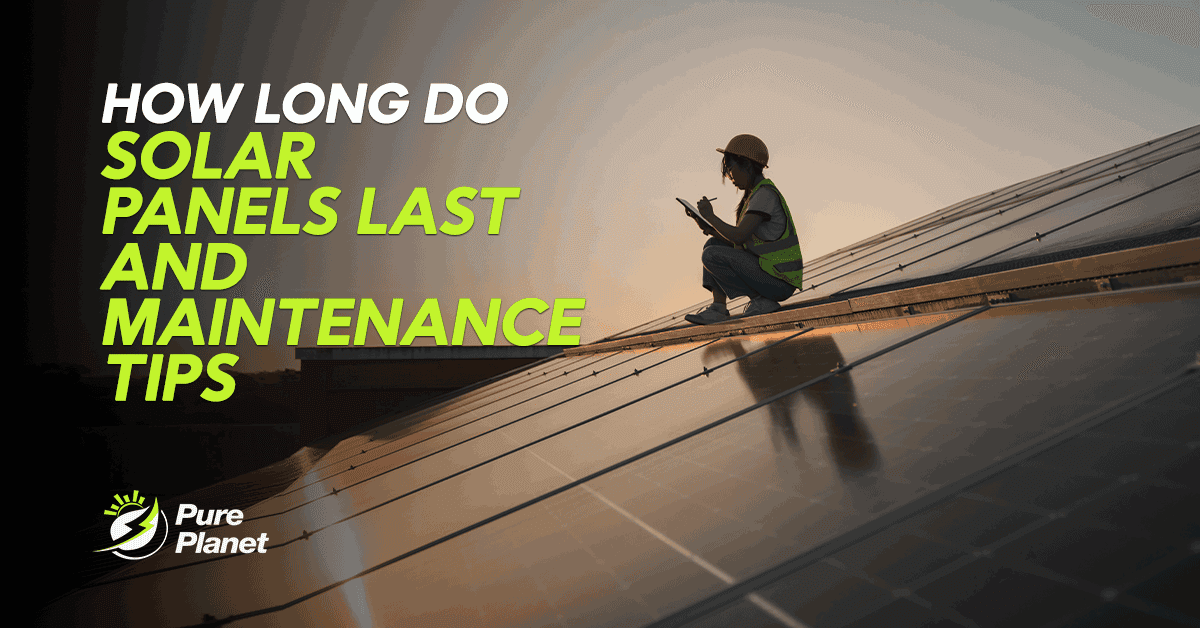
To ensure your panels reach their 30-year potential, a small amount of preventative care goes a long way. You do not need to be on your roof every week, but occasional checks are vital.
Annual Visual Inspections
Check your panels from the ground using binoculars if necessary. Look for debris like branches, leaves, or bird droppings. These can cause "shading," which prevents the panel from working at full capacity and can lead to overheating in specific cells.
Professional Solar Servicing
We recommend a professional service every 2 to 3 years. A qualified technician will:
Check electrical connections for signs of corrosion.
Test the inverter’s performance and error logs.
Confirm the racking system is secure.
Ensure there is no water ingress in the conduits.
Cleaning Your Panels
In most parts of Australia, rainfall is sufficient to keep panels clean. However, if you live near a dusty road, the coast, or in an area with many birds, a gentle clean with water and a soft brush can boost efficiency by 5% to 10%. Never use high-pressure washers or harsh chemicals, as these can damage the glass coating.
Residential vs Commercial Solar Use
The longevity and maintenance requirements are similar for both sectors, but the scale and goals often differ.
Residential Systems
For homeowners, the focus is on reducing daily living costs and increasing property value. Most residential systems range from 6.6kW to 13kW. Maintenance is simple and usually handled by the homeowner or a local contractor.
Commercial Solar
Businesses often use much larger systems to offset high daytime operating costs. For commercial properties, maintenance is often part of a structured facility management plan. Because businesses use energy while the sun is shining, the ROI on commercial solar is often very fast.
Choosing the Right Solar System for Your Property
Success with solar starts with the right hardware. Avoid "too good to be true" deals that use unbranded panels or inverters. These systems often fail within 5 years, and the companies providing them may not be around to honor the warranty.
Always look for:
Tier-1 Manufacturers: Companies with a strong financial track record.
Local Support: Installers who have an established presence in Australia.
Comprehensive Warranties: Ensure you have both a product warranty (for defects) and a performance warranty.
Reviewing our recent solar projects can give you an idea of the quality standards expected for Australian installations.
Frequently Asked Questions
How much can solar panels save in Australia?
Most Australian households save between $1,200 and $2,500 per year on electricity bills, depending on the system size and energy habits. By using more power during the day, these savings can be even higher.
Are solar panels worth it in Australia?
Yes, solar is one of the best investments for an Australian home. With high electricity prices and abundant sunshine, most systems pay for themselves within 3 to 5 years, providing free energy for the remainder of their 25+ year lifespan.
What rebates are available for solar systems?
The federal STC scheme provides a significant discount on the initial cost. Additionally, various states offer rebates for batteries or interest-free loans to help with the transition to clean energy.
Do solar panels work on cloudy days?
Yes, solar panels still generate electricity on cloudy days using diffused sunlight, though their output will be lower than on a clear, sunny day.
How do I know if my solar panels are working?
You can check your inverter's display or use a mobile monitoring app provided with most modern systems. If the "status" light is green and the production numbers match the weather conditions, your system is working correctly.
Understanding how solar energy works and the savings it offers can help you make a more informed decision when considering a solar system for your property.