Learn how to calculate energy savings from solar panels. Discover how solar rebates, self-consumption, and feed-in tariffs reduce electricity bills in Australia.
Table of Contents
- 1.Explanation of Solar Energy and How It Works
- 2.The Conversion Process
- 3.Cost Savings and Electricity Bill Reduction
- 4.Understanding Feed-in Tariffs
- 5.Factors Affecting Solar Efficiency and Savings
- 6.Government Rebates and Incentives in Australia
- 7.State-Specific Bonuses
- 8.Residential vs Commercial Solar Use
- 9.Residential Savings
- 10.Commercial Savings
- 11.Practical Tips for Choosing Solar Systems
- 12.Frequently Asked Questions
- 13.How much can solar panels save in Australia?
- 14.Are solar panels worth it in Australia?
- 15.What rebates are available for solar systems?
- 16.How do I calculate the ROI of my solar system?
- 17.Do solar panels still save money on cloudy days?
To calculate energy savings from solar panels, subtract your new post-solar electricity bill from your average historical bill. More accurately, multiply the total kilowatt-hours (kWh) generated by your panels by your self-consumption rate and your energy tariff, then add the credits earned from excess energy sent back to the grid. In Australian households, solar systems typically reduce annual electricity costs by $1,200 to $2,500 depending on system size and usage habits.
Estimating your potential return is the most important step before making the switch to renewable energy. While every roof is different, understanding the formula for savings ensures you aren't guessing about your financial future.
Explanation of Solar Energy and How It Works
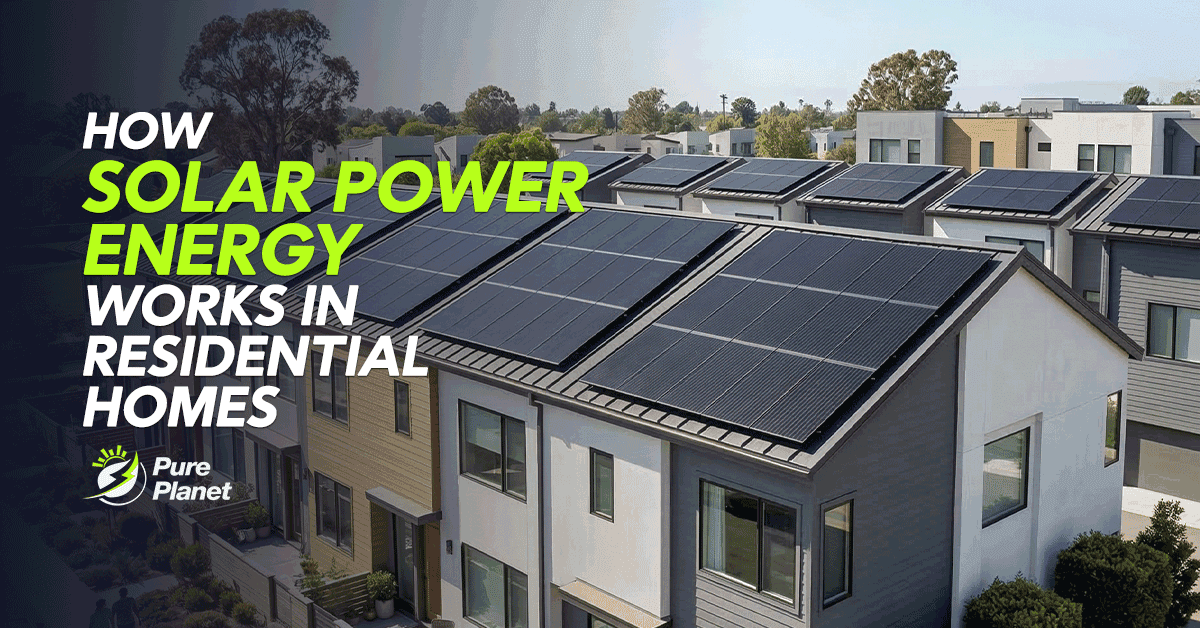
Solar energy is a renewable power source that converts sunlight into electricity using photovoltaic (PV) cells. When sunlight hits the solar panels, it creates a flow of direct current (DC) electricity, which is then managed by your system's hardware.
Most Australian homes run on alternating current (AC). Therefore, inverter systems are used to convert that raw solar energy into a usable form for your appliances, lights, and air conditioning. Any energy you don't use immediately can be stored in solar battery storage or sent to the utility grid.
The Conversion Process
A properly installed solar system can capture energy even on overcast days, though clear skies provide the best results. The efficiency of this conversion depends on the quality of your panels and the orientation of your roof.
Most homeowners notice reduced electricity bills when they shift their heaviest energy consumption, like washing machines and pool pumps, to the middle of the day. This maximizes "self-consumption," which is the most valuable way to use solar power.
Cost Savings and Electricity Bill Reduction
The true value of solar isn't just the energy it makes, but the expensive grid power it replaces. To accurately calculate energy savings from solar panels, you must look at two distinct financial benefits.
The first is the avoided cost. If your energy retailer charges you 30 cents per kWh, every kWh your panels produce and you use instantly saves you 30 cents. This is far more valuable than the "feed-in tariff" paid for excess energy.
Understanding Feed-in Tariffs
When your system produces more than you need, the excess flows through your grid connection and back to the energy company. They pay you a credit, usually ranging from 5 to 12 cents per kWh in Australia.
While these credits help, the biggest savings come from using the power yourself. You can view our solar services to see how we design systems specifically to match your home's unique consumption patterns.
Factors Affecting Solar Efficiency and Savings
Several variables can change your final calculation. It is vital to use realistic figures rather than "best-case" scenarios to ensure your ROI projections are accurate.
Roof Orientation: North-facing roofs in Australia receive the most consistent sunlight, but West-facing roofs can be better for saving on afternoon peak prices.
Shading: Even partial shading from trees or chimneys can significantly drop the output of an entire string of panels.
System Size: A 6.6kW system is the standard for most Australian homes, but larger families may see better savings with a 10kW or 13kW array.
Environmental factors like dust buildup and high temperatures also play a role. A well-maintained system will always provide higher renewable energy Australia yields than one that is neglected. To ensure your system is performing at its peak, you can learn more about our team and our commitment to high-quality installations.
Government Rebates and Incentives in Australia
You cannot calculate energy savings from solar panels without accounting for the federal and state solar rebates and incentives. These programs significantly lower the upfront cost, which improves your overall payback period.
The Small-scale Technology Certificate (STC) scheme is the primary federal incentive. It acts as a point-of-sale discount, often worth thousands of dollars. The number of certificates you receive depends on your location and the amount of energy the system is expected to generate.
State-Specific Bonuses
Depending on where you live, you might also be eligible for interest-free loans or specific battery rebates. These incentives are designed to make high-quality solar technology more accessible to the average Australian family.
Residential vs Commercial Solar Use
The calculation process remains similar for businesses, but the scale of savings is often much larger. Businesses typically use the most energy during the day, making solar an exceptionally high-ROI investment for commercial properties.
Residential Savings
For a home, the goal is often to eliminate the daily "baseload" and cover evening peaks if a battery is included. Residential systems focus on lowering the cost of living and increasing property value.
Commercial Savings
For businesses, solar is a way to reduce fixed operating costs. Because commercial energy tariffs often include "demand charges," solar can help lower these fees by reducing the peak amount of power drawn from the grid.
Practical Tips for Choosing Solar Systems
To maximize the savings you've calculated, you need hardware that lasts. Cheap components often degrade faster, meaning your energy production, and your savings, will drop off after just a few years.
Select Tier-1 Panels: These are made by manufacturers with the best reliability and warranty support.
Choose a High-Quality Inverter: The inverter is the part most likely to fail; investing in a premium brand ensures your system stays online.
Monitor Your Output: Use a smart monitoring app to track your production in real-time. If production drops, you'll know immediately.
By choosing reliable solar solutions, you ensure that the savings you calculate today actually materialize over the next 25 years.
Frequently Asked Questions
How much can solar panels save in Australia?
In Australia, a typical 6.6kW solar system can save a household between $1,200 and $2,000 per year on electricity bills. Households that use more energy during daylight hours see the highest savings.
Are solar panels worth it in Australia?
Yes. Due to high electricity prices and excellent solar rebates, most Australian solar systems pay for themselves in 3 to 5 years. After that, the energy generated is essentially free for the remainder of the panels' lifespan.
What rebates are available for solar systems?
The main incentive is the federal STC scheme, which provides an upfront discount. Some states also offer additional rebates for batteries or interest-free loans for solar installations.
How do I calculate the ROI of my solar system?
Divide the total net cost of the system (after rebates) by your estimated annual savings. For example, if a system costs $5,000 and saves you $1,500 a year, your ROI or payback period is 3.3 years.
Do solar panels still save money on cloudy days?
Yes. While production is lower than on sunny days, solar panels still generate electricity from diffused sunlight. You will still be reducing your grid reliance even when it is overcast.
Understanding how solar energy works and the savings it offers can help you make a more informed decision when considering a solar system for your property.