As rising cost-of-living and soaring utility prices reshape the Australian property market in 2026, residential solar systems have transitioned from an eco-friendly bonus to a major value driver. Recent market data reveals that energy-efficient homes equipped with solar panels attract up to 13.8% more listing views and sell for an average of $140,000 more than standard homes. For Melbourne homeowners, partnering with a trusted local expert like Pure Planet ensures a high-performing installation that directly boosts future equity.
Table of Contents
- 1.What is Solar Energy and How Does it Work?
- 2.Cost Savings and Electricity Bill Reduction
- 3.Factors Affecting Solar Efficiency and Resale Value
- 4.Government Rebates and Incentives in Australia
- 5.Residential vs Commercial Solar Use
- 6.Residential Value
- 7.Commercial Value
- 8.Practical Tips for Choosing Solar Systems to Add Value
- 9.Frequently Asked Questions
- 10.How much can solar panels save in Australia?
- 11.Are solar panels worth it in Australia?
- 12.What rebates are available for solar systems?
- 13.Does solar make a house sell faster?
- 14.Do I need to clean the panels before selling?
- 15.Conclusion
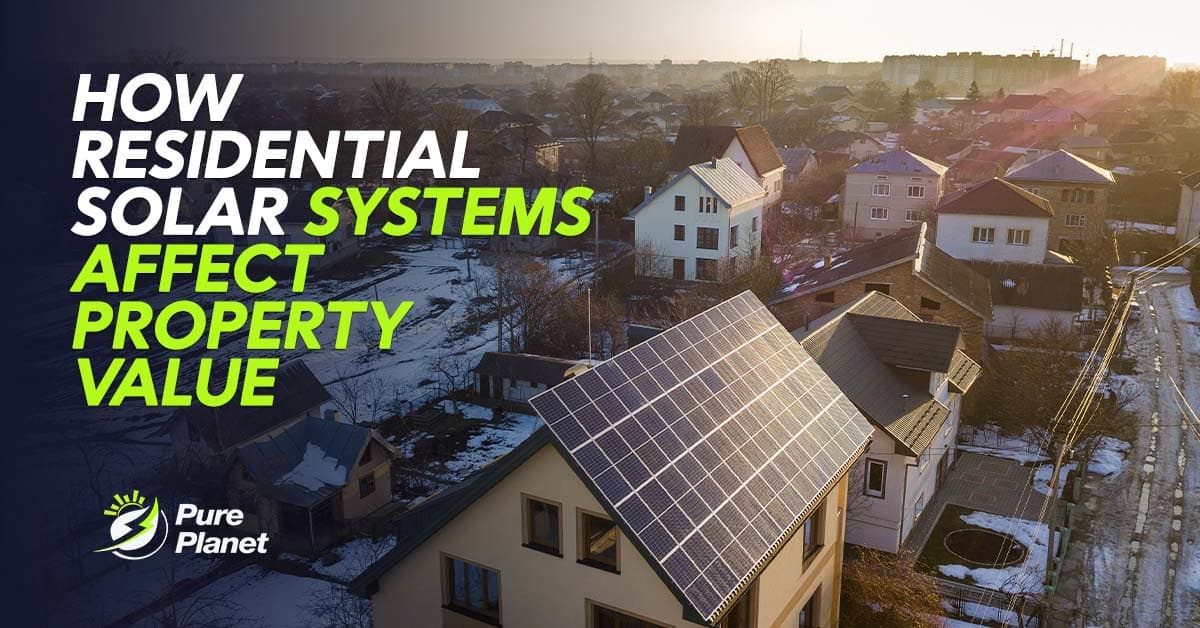
A solar increase property value is a proven trend in the Australian real estate market, with research showing that solar panels can add an average of $6,000 per kilowatt of solar capacity to a home’s sale price. Buyers are increasingly viewing energy efficiency as a top priority, often paying a premium for properties that offer immediate protection against rising electricity costs.
In 2026, a high-quality solar system is considered a significant asset, making a home more competitive and faster to sell. In Australian households, solar systems typically serve as a "future-proof" feature that appeals to environmentally conscious buyers and budget-conscious families alike.
A properly installed solar system can improve a home’s energy rating, which is now a mandatory disclosure in several regions. Most homeowners notice reduced electricity bills while they live in the property and a higher return on investment when they eventually decide to list it on the market.
What is Solar Energy and How Does it Work?
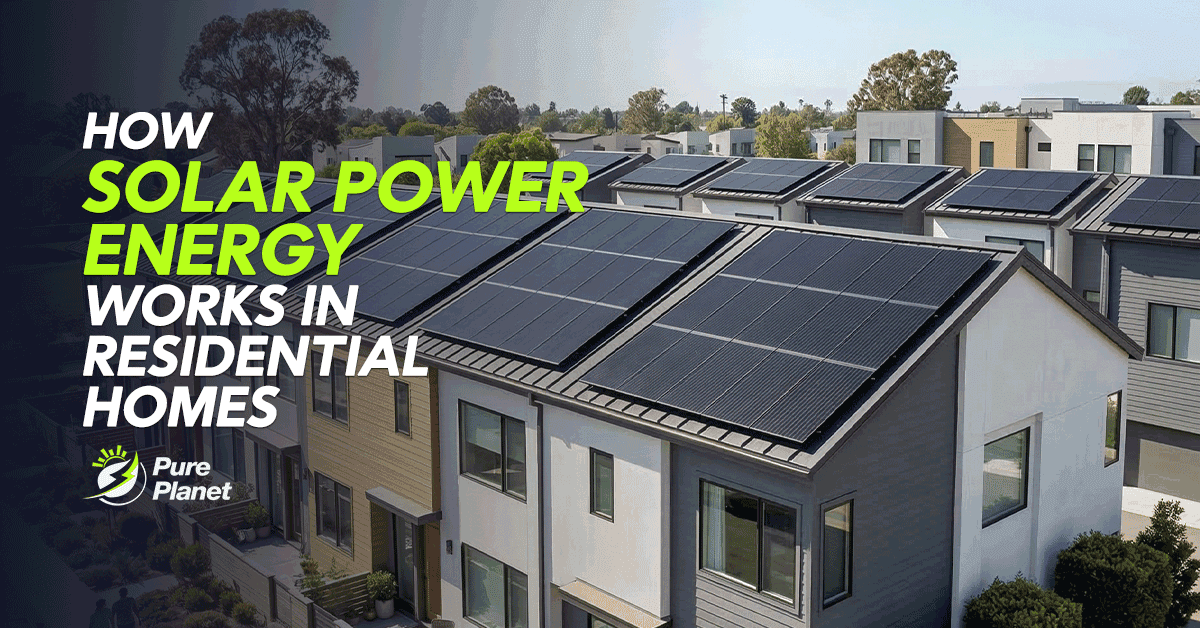
Solar energy is a renewable energy source that converts sunlight into electricity using solar panels, helping households and businesses reduce reliance on grid power. When sunlight hits the photovoltaic cells on the roof, it generates direct current (DC) electricity. This energy is then processed by inverter systems, which convert it into alternating current (AC) to run your household appliances.
As the energy landscape shifts toward renewable energy Australia wide, the infrastructure on a home’s roof is becoming just as important as the kitchen or bathroom. By providing a self-sufficient energy source, solar-equipped homes reduce the burden on the local grid connection, making the property more sustainable and cheaper to maintain in the long run.
Cost Savings and Electricity Bill Reduction
The primary driver behind the solar increase property value is the significant solar energy savings passed on to the occupant. When a buyer looks at a home with a 6.6kW or 10kW system, they aren't just looking at hardware; they are looking at a decade of lower overheads.
Most homeowners notice reduced electricity bills when they align their daily energy consumption with daylight hours. For buyers, the prospect of moving into a home where the air conditioning or pool pump can run for free during the day is a major selling point. If the property includes solar battery storage, the value proposition increases even further, as the home can remain powered by clean energy well into the evening. To see how these systems are integrated, you can explore our solar panel services to understand the quality standards buyers look for.

Factors Affecting Solar Efficiency and Resale Value
Not all solar installations are viewed equally by real estate agents and valuers. To ensure your system adds the maximum possible value to your home, several technical factors must be considered during the initial installation.
System Quality: High-efficiency, Tier-1 panels from reputable brands add more value than "budget" systems that may lack long-term warranty support.
Aesthetics: "All-black" panels and tidy cabling are often preferred by buyers who care about the curb appeal of the property.
Transferable Warranties: Ensuring that the warranties for the panels and inverter can be transferred to the new owner provides essential peace of mind during the sale.
A well-maintained system is far more likely to contribute to a price premium. For tips on keeping your system in top shape for a future sale, visit our solar blog for maintenance guides.
Government Rebates and Incentives in Australia
The widespread adoption of solar in Australia has been supported by various solar rebates and incentives. The federal STC scheme provides an upfront discount that makes the initial investment much more affordable for homeowners.
Because these rebates essentially subsidize the cost of the system, the "value add" to the property often exceeds the net cost paid by the original owner. In 2026, many buyers are also looking for homes that have already utilized state-based battery grants or interest-free loans, as it saves them the hassle of navigating the paperwork themselves.
💡 Pro Tip
If you want to maximize your property's resale value, don't stop at standard solar panels, future-proof your home with an integrated system.
Residential vs Commercial Solar Use
While solar adds value to both sectors, the way it is appraised differs between residential and commercial properties.
Residential Value
In the residential market, solar is seen as a lifestyle benefit. It’s about reducing the cost of living and providing a "green" credential to the home. It makes the property stand out in a crowded market, often leading to a quicker sale.
Commercial Value
For commercial real estate, solar is viewed as a financial asset. It directly improves the "Net Operating Income" (NOI) of the building by lowering fixed costs. This can increase the overall valuation of the property based on its yield, making commercial solar systems a strategic investment for property developers and business owners.
Practical Tips for Choosing Solar Systems to Add Value
If you are installing solar specifically to increase your home's worth, you should focus on reliability and brand recognition.
Choose Reputable Brands: Buyers may not be solar experts, but they recognize brands with a strong Australian presence.
Keep Documentation: Maintain a folder with all your installation certificates, warranty documents, and performance data to show prospective buyers.
Optimize for the Future: If you aren't installing a battery now, make sure you choose a "battery-ready" hybrid inverter.
By selecting a provider that offers professional solar installation, you ensure that the system meets all Australian standards, which is a critical requirement during the building inspection phase of a home sale.
Conclusion
Investing in a high-quality solar system is one of the few home improvements that offers a dual return: immediate monthly savings and a long-term solar increase property value. As energy prices continue to be a concern for Australian families, a home that produces its own clean power will always be in high demand. Whether you are planning to stay for decades or sell in the near future, the combination of lower bills and higher resale potential makes solar a smart, practical choice for any Australian property owner.
Understanding how solar energy works and the savings it offers can help you make a more informed decision when considering a solar system for your property.