Planning a solar installation for your Australian home? Learn about the timeline, from quotes to grid connection, and how to prepare for solar energy savings.
Table of Contents
- 1.Understanding Solar Energy and How It Works
- 2.The Step-by-Step Solar Installation Timeline
- 3.Phase 1: Consultation and Site Assessment (Days 1–7)
- 4.Phase 2: Design and Grid Approval (Weeks 2–4)
- 5.Phase 3: Physical Installation Day (Week 5)
- 6.Cost Savings and Electricity Bill Reduction
- 7.Immediate vs. Long-term Savings
- 8.Factors Affecting Solar Efficiency and Timeline
- 9.Government Rebates and Incentives in Australia
- 10.Residential vs. Commercial Solar Use
- 11.Residential Timelines
- 12.Commercial Timelines
- 13.Practical Tips for Choosing Solar Systems
- 14.Frequently Asked Questions
- 15.How much can solar panels save in Australia?
- 16.Are solar panels worth it in Australia?
- 17.What rebates are available for solar systems?
- 18.Does the solar installation timeline include the meter change?
- 19.Can I install solar myself to save time?
The average solar installation timeline in Australia typically spans 4 to 8 weeks from the initial consultation to the final grid connection. While the physical installation of solar panels on your roof usually takes only one day, the administrative steps, including distributor approvals, rebate processing, and meter upgrades, account for the majority of the timeframe.
In Australian households, solar systems typically require careful pre-approval from the local Distributed Network Service Provider (DNSP) to ensure the grid can handle the exported energy. A properly installed solar system can start generating power immediately after the physical setup, but you generally cannot officially export excess energy to the grid until your smart meter is reconfigured by your energy retailer.
Understanding Solar Energy and How It Works
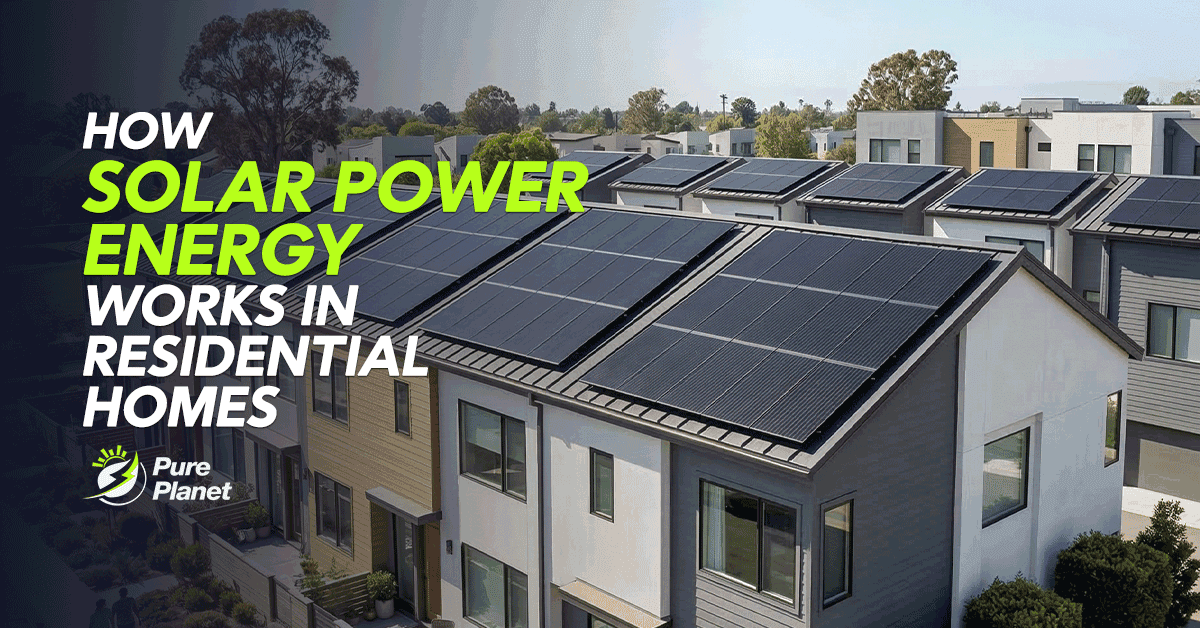
Solar energy is a renewable resource that converts sunlight into electricity through photovoltaic cells. In a standard Australian residential setup, the panels capture sunlight as DC power, which is then sent to inverter systems to be converted into AC power for your home appliances.
The timeline for your project is heavily influenced by how your specific property interacts with the local network. Whether you are looking for a simple panel setup or a more complex system including solar battery storage, each component requires specific compliance checks before the switch can be flipped.
The Step-by-Step Solar Installation Timeline
Planning your transition to renewable energy Australia is easier when you know what to expect at each stage. Most homeowners notice reduced electricity bills when they prepare their home's switchboard ahead of time to avoid delays.
Phase 1: Consultation and Site Assessment (Days 1–7)
Your journey begins with a technical assessment. An expert will evaluate your roof's orientation, shading, and structural integrity. They will also review your recent electricity bills to determine the most efficient system size for your energy consumption. You can start your assessment with our experts to ensure your roof is suitable for a high-performing system.
Phase 2: Design and Grid Approval (Weeks 2–4)
Once you accept a quote, the installer applies for "Grid Connection Approval" from your network provider (like Ausgrid, Endeavour, or Energex). This is a vital step in the solar installation timeline because the distributor must confirm that your local area can support your system's solar export.
Phase 3: Physical Installation Day (Week 5)
On the day of installation, a team of accredited installers will mount the racking, secure the panels, and install the inverter. If you have opted for a battery, this will also be integrated during this window. This phase is remarkably quick, usually completed in 4 to 8 hours for a standard 6.6kW system.
Cost Savings and Electricity Bill Reduction
The ultimate goal of navigating the solar installation timeline is to reach the point of significant financial relief. By generating your own power, you protect your household from volatile energy prices and reduce your reliance on the fossil-fuel-heavy utility grid.
Immediate vs. Long-term Savings
You begin saving money the moment your system is turned on for self-consumption. However, the full financial impact, including feed-in tariffs, only kicks in once the grid connection paperwork is finalized and your meter is updated. Many Australian families find that their systems pay for themselves within 3 to 5 years through consistent energy generation.
To maximize these results, you can learn more about our team and how we prioritize high-efficiency components that accelerate your return on investment.
Factors Affecting Solar Efficiency and Timeline
Several variables can speed up or slow down your installation and affect how much energy you eventually produce.
Switchboard Upgrades: If your home has an old "fuse-style" switchboard, it must be upgraded to modern standards before solar can be installed. This can add a few days to the timeline.
Weather Conditions: Heavy rain or high winds can lead to the rescheduling of the physical installation for safety reasons.
Network Congestion: In areas with very high solar density, the grid provider may take longer to review your application or place limits on your export capacity.
Government Rebates and Incentives in Australia
The solar rebates and incentives available in Australia are designed to make the transition to clean energy affordable. The federal Small-scale Technology Certificate (STC) scheme provides an upfront discount that is usually applied directly by your installer.
In 2026, many states also offer additional support, such as interest-free loans for batteries or specific rebates for low-income households. Navigating these applications is part of the administrative phase of the solar installation timeline, and a good installer will handle the bulk of this paperwork for you.
Residential vs. Commercial Solar Use
The timeline for commercial properties is often longer due to the scale and complexity of the project.
Residential Timelines
Home installations are relatively standardized. Because most residential systems are under 10kW, the grid approval process is usually automated or fast-tracked, allowing for a quicker turnaround.
Commercial Timelines
Commercial installations (above 30kW) often require detailed engineering studies and "Protection Settings" negotiations with the grid provider. This can extend the solar installation timeline to several months, though the massive scale of solar energy savings for a business often makes the wait highly worthwhile.
Practical Tips for Choosing Solar Systems
To ensure your installation proceeds without a hitch, it is vital to select the right partners and products from the start.
Select NETCC Approved Sellers: Ensure your provider follows the New Energy Tech Consumer Code for the highest standards of service.
Verify Inverter Compatibility: If you plan on adding a battery later, ensure your inverter is a "hybrid" model to save money on future upgrades.
Check Warranty Terms: A 25-year panel warranty is only useful if the company has a solid Australian presence to honor it.
By choosing a reliable solar partner, you can avoid the common pitfalls that lead to administrative delays, ensuring your system is installed correctly the first time.
Frequently Asked Questions
How much can solar panels save in Australia?
A standard residential solar system can save Australian households between $1,200 and $2,000 per year. The exact amount depends on your self-consumption levels and the feed-in tariff rates offered by your energy retailer.
Are solar panels worth it in Australia?
Yes, solar remains one of the best investments for Australian homeowners. With high sunlight hours and strong government incentives, most systems achieve a full return on investment in under five years.
What rebates are available for solar systems?
The main incentive is the federal STC scheme, which provides an upfront discount of thousands of dollars. Depending on your state, you may also access battery rebates, interest-free loans, or feed-in tariffs.
Does the solar installation timeline include the meter change?
Yes, but the meter change is often the final step. After the panels are on the roof, your energy retailer must be notified to reprogram your smart meter or install a new one to track your exports.
Can I install solar myself to save time?
In Australia, solar must be installed by a Clean Energy Council (CEC) accredited professional to qualify for government rebates and to legally connect to the grid. Self-installation is not recommended and can be dangerous.
Understanding how solar energy works and the savings it offers can help you make a more informed decision when considering a solar system for your property.