Learn how to monitor solar system performance to maximize savings. Discover the best tools for tracking energy production and consumption in Australia.
Table of Contents
- 1.Explanation of Solar Energy and How It Works
- 2.Cost Savings and Electricity Bill Reduction
- 3.Understanding Feed-in Tariffs via Monitoring
- 4.Factors Affecting Solar Efficiency
- 5.Government Rebates and Incentives in Australia
- 6.Residential vs Commercial Solar Use
- 7.Residential Monitoring
- 8.Commercial Monitoring
- 9.Practical Tips for Choosing Monitoring Systems
- 10.Frequently Asked Questions
- 11.How much can solar panels save in Australia?
- 12.Are solar panels worth it in Australia?
- 13.What rebates are available for solar systems?
- 14.Why is my solar system producing less than usual?
- 15.How often should I check my solar monitor?
- 16.Conclusion
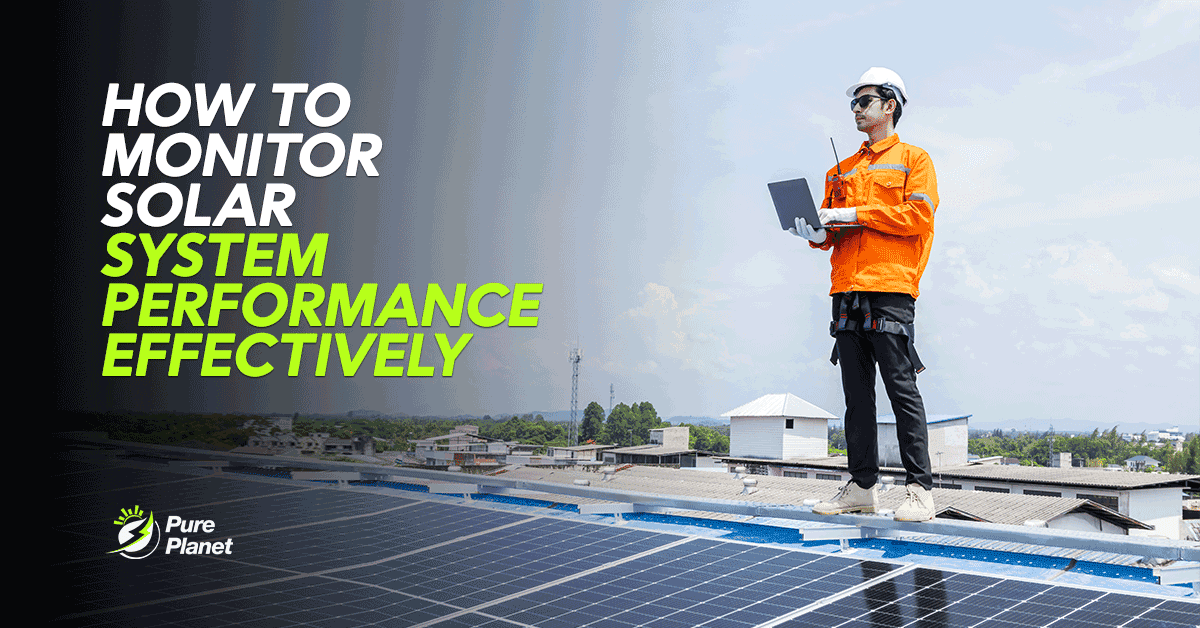
To monitor solar system performance effectively, you should use a combination of smartphone monitoring apps provided by your inverter manufacturer and physical checks of your solar meter. Most modern systems allow you to track real-time energy production, household consumption, and battery levels. By reviewing these data points daily, Australian homeowners can identify faults early and adjust their energy habits to maximize their overall electricity bill reduction.
In Australian households, solar systems typically run without much intervention, but passive monitoring is the best way to ensure your investment is performing as expected. A properly installed solar system can experience subtle drops in output due to dirt buildup or shading that might go unnoticed without a dedicated monitoring platform. Setting up automated alerts through your system’s software ensures you are notified immediately if production stops or underperforms.
Explanation of Solar Energy and How It Works
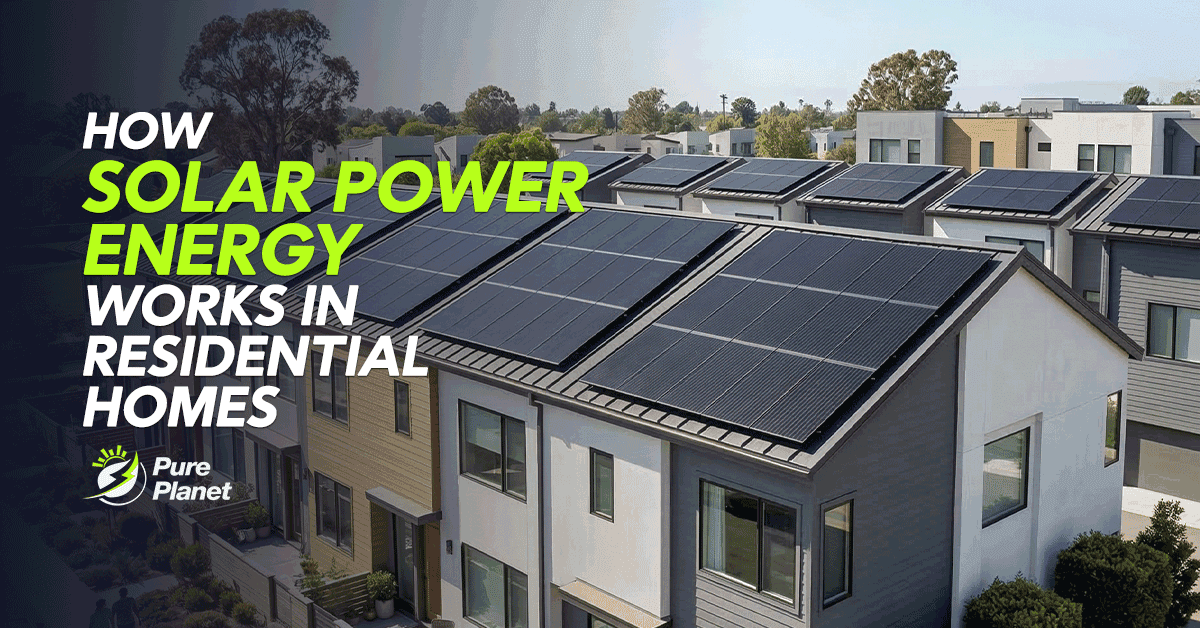
Solar energy is a renewable energy source that converts sunlight into electricity using photovoltaic cells within solar panels. These panels capture sunlight as direct current (DC) electricity. Because Australian homes use alternating current (AC), the energy must pass through inverter systems to be converted into a usable form.
The monitoring process tracks this conversion. The inverter acts as the "brain" of the system, measuring exactly how much DC power is coming from the roof and how much AC power is being sent to your appliances or the grid. If you have solar battery storage, the monitor also tracks the "state of charge," helping you manage your stored energy for use during evening peak periods.
Cost Savings and Electricity Bill Reduction
The primary goal of learning how to monitor solar system performance is to protect your financial returns. When you can see exactly when your panels are producing the most power, you can time your heavy energy use, like running the pool pump or dishwasher, to match those peak sunlight hours.
Most homeowners notice reduced electricity bills when they move from "blind" energy use to "informed" consumption. By using your monitor to increase your self-consumption rate, you rely less on the expensive utility grid. You can view our solar services to see how we integrate advanced monitoring hardware into every installation to help you track every cent saved.
Understanding Feed-in Tariffs via Monitoring
Your monitor will also show you how much excess energy you are sending back through your grid connection. While feed-in tariffs in Australia have decreased over recent years, tracking this export data helps you decide if adding a battery is a viable next step for your home’s energy strategy.
Factors Affecting Solar Efficiency
Monitoring is the only way to catch efficiency issues before they impact your quarterly bill. Several factors can cause your system to underperform, and a good monitor will highlight these trends over time.
Panel Soiling: Dust, salt spray, or bird droppings can lower production by 5% to 10%. A sudden dip in production on a clear day usually signals that your panels need a clean.
Shading Issues: As trees grow or new structures are built, shadows can fall across your panels. Monitoring helps you see if certain "strings" of panels are producing less than others.
Inverter Health: Inverters can occasionally experience "grid over-voltage" issues where they shut down temporarily to protect themselves. A monitor will log these events so you can contact your installer for a fix.
To ensure your system is always operating at peak efficiency, you can learn more about our team and our commitment to using high-quality components that offer the most accurate data reporting.
Government Rebates and Incentives in Australia
The Australian government provides various solar rebates and incentives to lower the cost of high-quality systems that include smart monitoring technology. The federal Small-scale Technology Certificate (STC) scheme is the most well-known, providing an upfront discount on your system.
In 2026, many state-based programs also offer incentives for "Smart Energy" setups. These programs often require systems to be "VPP-ready," which means they must have advanced monitoring and communication capabilities. Investing in a system that is easy to monitor ensures you are eligible for future grid-sharing incentives and Virtual Power Plant (VPP) programs.
Residential vs Commercial Solar Use
Monitoring requirements often differ depending on whether the system is for a home or a business.
Residential Monitoring
For homeowners, monitoring is usually focused on daily habits. Apps like Fronius Solar.web or SolarEdge Monitoring allow families to see their "solar self-sufficiency" score. This encourages better energy habits and helps households get the most out of their renewable energy Australia investment.
Commercial Monitoring
For businesses, monitoring is a critical part of financial reporting. Commercial systems often include "consumption monitoring" at a granular level to help facility managers identify energy waste. Large-scale solar panels on warehouses require professional-grade monitoring to ensure the ROI stays on track across hundreds of individual modules.
Practical Tips for Choosing Monitoring Systems
When you are selecting a new system, don't overlook the software. The hardware generates the power, but the software helps you save the money.
Demand Consumption Monitoring: Many standard systems only show production (what the panels make). Ask your installer for "consumption monitoring" hardware so you can also see what your house is using.
User-Friendly App Interface: Ensure the app is easy to read and provides clear graphs of your daily, monthly, and yearly performance.
Third-Party Options: If you have an older system without an app, you can install third-party monitors like Solar Analytics. These can increase your solar output efficiency by providing deep insights into your energy data.
Frequently Asked Questions
How much can solar panels save in Australia?
In Australia, a standard 6.6kW system can save a household between $1,200 and $2,000 per year. These savings are significantly improved if you use monitoring to align your energy-heavy chores with the middle of the day.
Are solar panels worth it in Australia?
Yes. With the high cost of grid electricity and the availability of federal rebates, the payback period for a quality solar system is typically between 3 and 5 years. Monitoring ensures you stay on track for that ROI.
What rebates are available for solar systems?
The primary federal incentive is the STC scheme. Additionally, various states offer interest-free loans or rebates for solar battery storage and smart energy management systems.
Why is my solar system producing less than usual?
Common reasons include cloud cover, dirty panels, or shading from trees. If the weather is clear and the panels are clean, use your monitor to check for inverter error codes or signs of a faulty panel string.
How often should I check my solar monitor?
It is a good habit to check your monitoring app once a week. Most apps will send you a notification if there is a major fault, but a quick weekly check helps you stay mindful of your energy consumption patterns.
Conclusion
Effectively tracking your system is the final step in taking control of your home’s energy future. When you monitor solar system performance with diligence, you move beyond just having panels on your roof; you become an active manager of your own mini power station. This proactive approach ensures that every ray of Australian sunshine is converted into maximum savings, keeping your electricity bills low and your system’s health high for decades to come.
Understanding how solar energy works and the savings it offers can help you make a more informed decision when considering a solar system for your property.