Commercial solar systems help businesses slash operational costs by directly offsetting expensive daytime grid electricity with free, self-generated solar power. By lowering fixed overheads, mitigating peak demand charges, and leveraging government incentives like instant asset write-offs, companies can rapidly improve their bottom line while locking in long-term energy price stability.
Table of Contents
- 1.Explanation of Solar Energy and How It Works
- 2.Cost Savings and Electricity Bill Reduction
- 3.Factors Affecting Solar Efficiency
- 4.Impact of Dirt and Debris
- 5.Temperature and Airflow
- 6.Government Rebates and Incentives in Australia
- 7.Residential vs Commercial Solar Use
- 8.Residential Maintenance
- 9.Commercial Maintenance
- 10.Practical Tips for Choosing and Caring for Solar Systems
- 11.Frequently Asked Questions
- 12.How much can solar panels save in Australia?
- 13.Are solar panels worth it in Australia?
- 14.What rebates are available for solar systems?
- 15.How often should I clean my solar panels?
- 16.Should I turn my solar system off when cleaning?
- 17.Conclusion
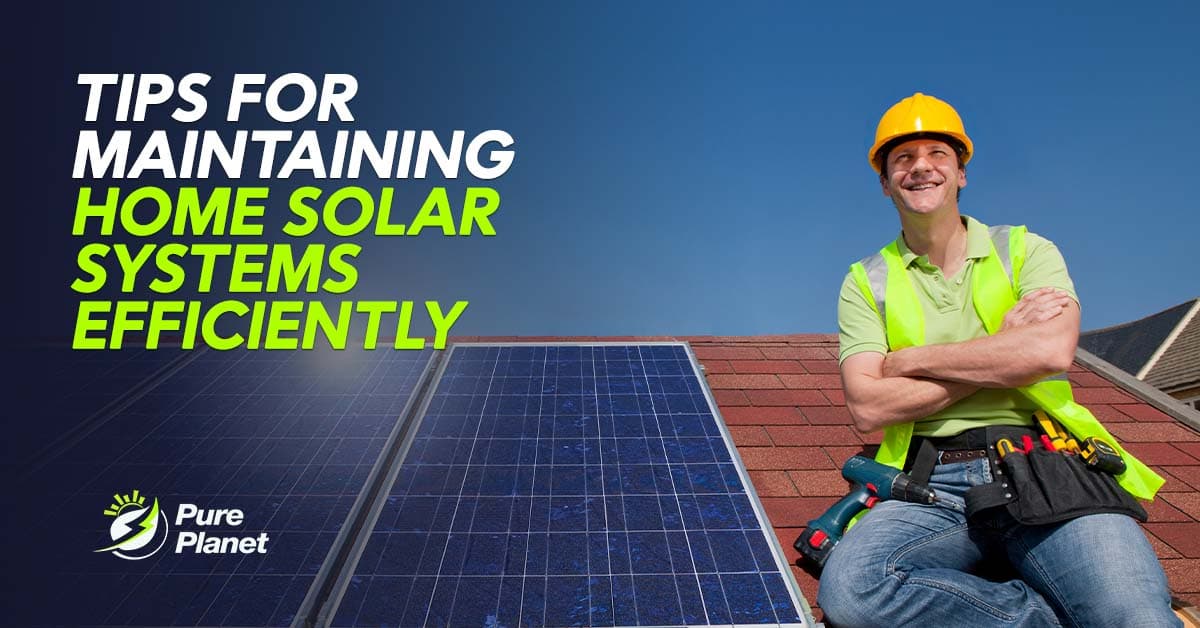
To maintain home solar systems efficiently, you should perform a visual inspection every three months, keep panels clear of debris, and book a professional service every two years. Monitoring your inverter’s display for error codes and keeping the surrounding area well-ventilated ensures the system converts energy reliably. In Australian households, solar systems typically lose 5% to 10% of their output due to dust and bird droppings if they are not cleaned periodically.
A properly installed solar system can last over 25 years, but its performance depends on consistent care. While solar is a "set and forget" technology for many, a small amount of preventative maintenance protects your investment and ensures your electricity bills stay as low as possible.
Explanation of Solar Energy and How It Works
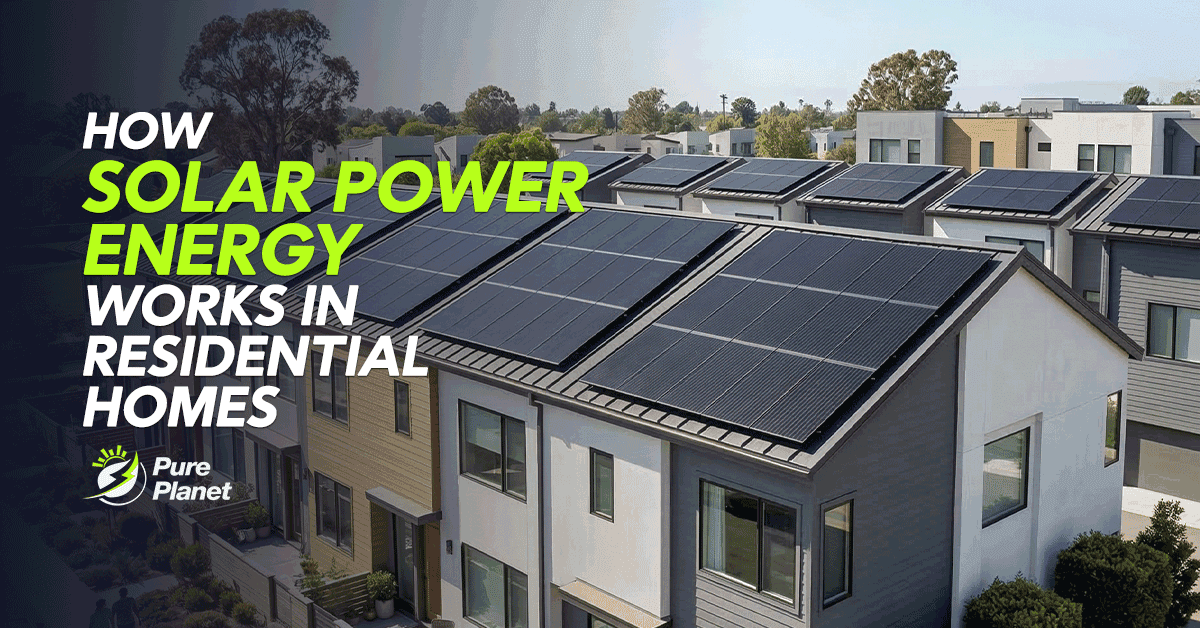
Solar energy is a renewable power source that captures photons from sunlight and converts them into electricity. This process occurs within the photovoltaic cells of the solar panels mounted on your roof. The panels produce Direct Current (DC) electricity, which is then managed by your system's hardware.
Because your home runs on Alternating Current (AC), your inverter systems work to transform that energy into a usable form. Any excess power can be directed to a solar battery storage unit or exported to the utility grid. Keeping these components clean and functional is the only way to ensure this conversion process remains efficient.
Cost Savings and Electricity Bill Reduction
The primary motivation to maintain home solar systems is to maximize your financial return. When panels are covered in dust or the inverter is struggling with heat, your energy production drops. This forces you to buy more expensive power from the grid.
Most homeowners notice reduced electricity bills when they actively monitor their system's health. By ensuring your panels are operating at peak efficiency, you increase your "self-consumption" rate. This is the amount of solar power you use in real-time, which is far more valuable than the credits you receive from a grid connection via feed-in tariffs. You can view our solar services to see how we design systems that are easy to maintain and monitor for long-term savings.

Factors Affecting Solar Efficiency
Maintaining efficiency is not just about cleaning; it involves understanding the environmental factors that impact your renewable energy Australia setup. Australia's harsh climate can be particularly taxing on electronic components.
Impact of Dirt and Debris
In many parts of Australia, long dry spells lead to a buildup of "soiling"—a layer of dust and salt spray that blocks sunlight. Even a thin layer can reduce the amount of light reaching the silicon cells. Regular rain helps, but it often isn't enough to remove stubborn grime or bird droppings.
Temperature and Airflow
Heat is the enemy of efficiency for both panels and inverters. While panels are designed for the sun, they actually lose efficiency as they get extremely hot. Similarly, inverters require clear airflow to dissipate heat. If you maintain home solar systems by keeping the area around the inverter clear of storage boxes or overgrown plants, you prevent the unit from "thermal throttling" or failing prematurely.
Government Rebates and Incentives in Australia
The Australian government encourages high-performing systems through various solar rebates and incentives. The Small-scale Technology Certificate (STC) scheme provides an upfront discount based on the expected yield of your system over its lifetime.
To maintain eligibility for certain state-based incentives or premium feed-in tariffs, some retailers require proof of regular maintenance or professional safety checks. By keeping your system in top shape, you ensure you continue to meet the compliance standards required for these financial benefits. To learn more about local requirements, you can learn more about our team and our commitment to compliant, high-yield installations.
Residential vs Commercial Solar Use
The approach to maintenance changes depending on the scale of the system, though the underlying principles remain the same.
Residential Maintenance
For a home, maintenance is usually simple. It involves a quick check of the monitoring app and a ground-level visual inspection. Homeowners focus on protecting their daily energy consumption and ensuring the battery is ready for the evening.
Commercial Maintenance
Commercial systems are much larger and often require a formal Asset Management Plan. Because a 100kW system involves hundreds of panels, even a 5% drop in efficiency represents a significant financial loss. Businesses often use automated "robotic" cleaners or scheduled thermal drone inspections to maintain home solar systems on an industrial scale.
💡 Pro Tip
Work with your installation team to conduct a detailed interval data analysis that aligns your peak manufacturing or HVAC operating hours with daylight generation. Sizing your system to achieve a high "interval match" ensures you maximize behind-the-meter consumption, achieve an optimal return on investment, and compress your system's payback period to under three years.
Practical Tips for Choosing and Caring for Solar Systems
If you are currently planning an installation, choosing the right hardware makes future maintenance much easier.
Select Tier-1 Panels: Higher-quality panels often have better coatings that shed water and dust more effectively.
Install Smart Monitoring: Choose an inverter with a robust app. If you can see your daily production on your phone, you will notice immediately if a panel is underperforming.
Ensure Safe Access: When installing, make sure the inverter is placed in a shaded, accessible area. This makes it easier for you to check the status lights and for technicians to perform services.
By choosing a reliable solar partner, you ensure that your system is installed with longevity in mind, using components that are built to withstand Australian conditions with minimal fuss.
Conclusion
To maintain home solar systems effectively, you don't need to be an engineer. By staying observant, keeping your panels clear of shade-inducing debris, and ensuring your inverter stays cool, you can protect your path to energy independence. Australia provides the perfect environment for solar success, but it is the small, consistent acts of maintenance that ensure your system remains a high-yielding financial asset for its entire 25-year lifespan.
Understanding how solar energy works and the savings it offers can help you make a more informed decision when considering a solar system for your property.