Discover how solar panel performance changes in rain, clouds, and extreme Australian heat. Learn how to maintain efficiency in all weather conditions.
Table of Contents
- 1.Explanation of Solar Energy and How It Works
- 2.Cost Savings and Electricity Bill Reduction
- 3.Factors Affecting Solar Efficiency in Various Weather
- 4.Performance in Cloudy and Overcast Weather
- 5.The Impact of Extreme Heat
- 6.Rain and Hail Resistance
- 7.Government Rebates and Incentives in Australia
- 8.Residential vs Commercial Solar Use
- 9.Residential Systems
- 10.Commercial Solar
- 11.Practical Tips for Choosing Solar Systems for Australian Weather
- 12.Frequently Asked Questions
- 13.How much can solar panels save in Australia?
- 14.Are solar panels worth it in Australia?
- 15.What rebates are available for solar systems?
- 16.Do solar panels work at night?
- 17.Can hail break my solar panels?
- 18.Conclusion
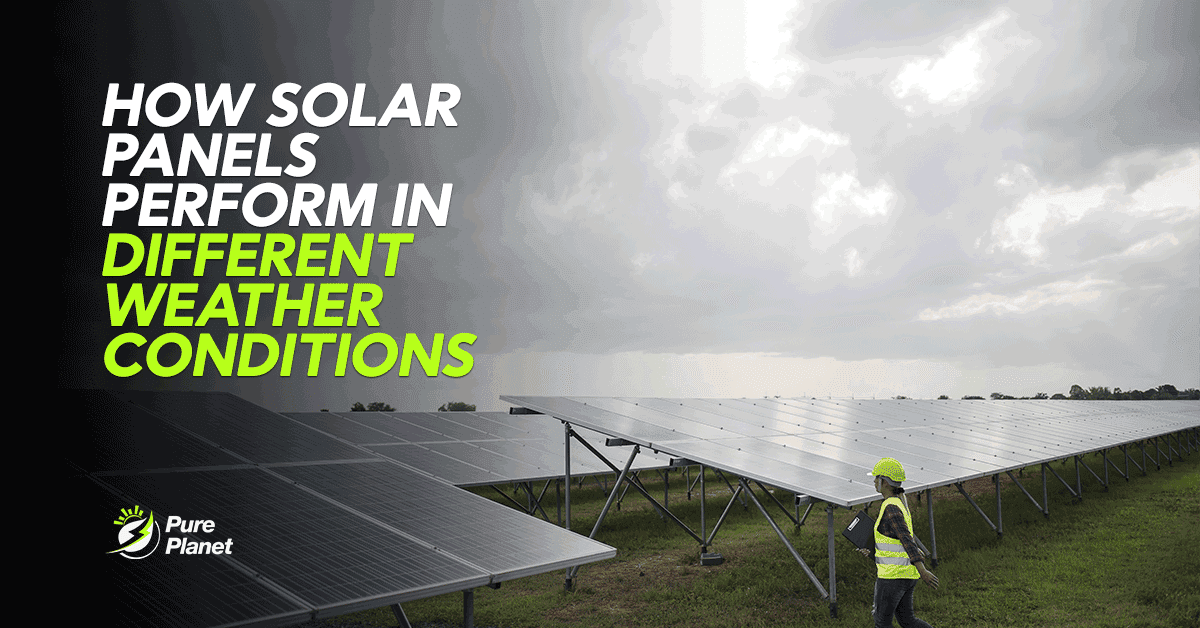
Solar panel performance remains effective across various weather conditions, though energy output fluctuates based on light intensity and temperature. While panels produce the most electricity on clear, sunny days, they continue to generate power during cloudy or rainy weather by capturing diffused sunlight.
Interestingly, extreme heat can actually decrease efficiency, whereas rain helps by washing away dust that might otherwise block light. In Australian households, solar systems typically experience peak production during bright, cool days.
A properly installed solar system can withstand the country’s diverse climate, from tropical storms to desert heatwaves, provided high-quality components are used. Understanding these seasonal shifts helps homeowners manage their energy expectations and maximize their long-term savings.
Explanation of Solar Energy and How It Works
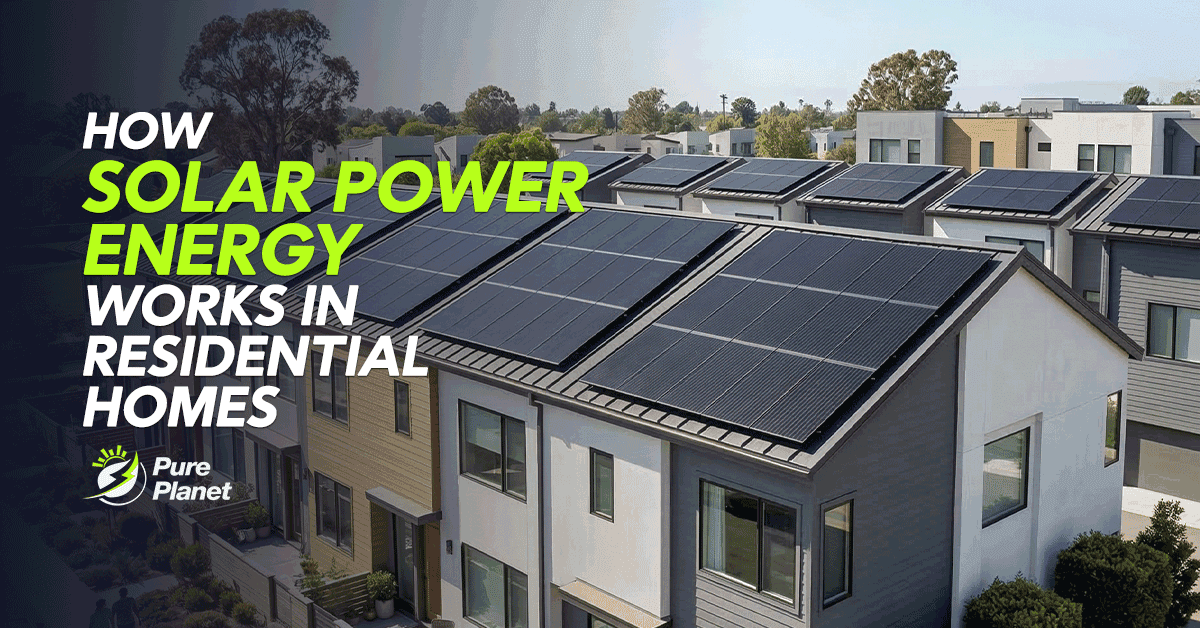
Solar energy is a renewable energy source that converts sunlight into electricity using photovoltaic (PV) cells. When photons from the sun strike the silicon cells within solar panels, they knock electrons loose, creating a flow of direct current (DC) electricity.
For this energy to be used in your home, it must pass through inverter systems. These devices convert the DC electricity into alternating current (AC), which powers your appliances and lights. Even when the weather isn't perfect, the technology is sensitive enough to trigger this conversion process as long as there is visible daylight.
Cost Savings and Electricity Bill Reduction
The primary driver for shifting to renewable energy Australia wide is the substantial reduction in monthly overheads. Your solar energy savings are directly tied to how much sunlight your roof receives throughout the year.
Most homeowners notice reduced electricity bills when they align their energy-heavy chores with the sunniest parts of the day. Even on overcast days, producing some of your own power reduces the amount of expensive electricity you need to draw from the grid connection. Over a 25-year period, these daily contributions result in thousands of dollars saved. You can view our solar services to see how we model year-round performance for Australian properties.
Factors Affecting Solar Efficiency in Various Weather
While sunlight is the fuel, the ambient environment acts as the regulator for solar panel performance. Different weather patterns affect the physics of energy conversion in unique ways.
Performance in Cloudy and Overcast Weather
It is a common myth that solar panels stop working when clouds appear. While direct sunlight is ideal, panels can use "diffused" light that filters through the clouds. On a very cloudy day, a system might produce 10% to 25% of its usual capacity. This is why many Australians opt for solar battery storage, allowing them to use power saved from sunny days during darker periods.
The Impact of Extreme Heat
Counter-intuitively, solar panels do not "like" being hot. They are electronic devices, and like a laptop or phone, they become less efficient as they overheat. Most panels are tested at 25°C; for every degree above that, efficiency drops slightly. In the Australian summer, it is vital to have an air gap between the panels and the roof to allow for natural cooling. You can learn more about our team and our specialized installation techniques for hot climates.
Rain and Hail Resistance
Rain is actually a friend to your solar system. It provides a free cleaning service, rinsing away bird droppings and dust that can block sunlight. Regarding hail, Tier-1 panels sold in Australia are toughened and tested to withstand significant impacts, ensuring they remain durable during summer storms.
Government Rebates and Incentives in Australia
The Australian government provides various solar rebates and incentives to lower the barrier to entry for clean energy. The most significant is the Small-scale Technology Certificate (STC) scheme, which provides an upfront discount on the system price.
These rebates are calculated based on the total renewable energy the system is expected to produce over its lifetime. Because Australia has high average sunshine hours, these incentives are quite generous compared to other countries. This makes high-quality, weather-resistant technology much more affordable for the average family.
Residential vs Commercial Solar Use
The way weather affects energy planning differs between a home and a large business.
Residential Systems
For a household, weather fluctuations might mean shifting the time you use the clothes dryer. Residential users often focus on maximizing self-consumption during clear windows of weather to avoid buying peak-priced power.
Commercial Solar
Businesses often have much larger roof spaces, allowing them to install more panels to compensate for lower light on cloudy days. Because businesses usually operate during daylight hours, they are perfectly positioned to utilize solar energy as it is produced, regardless of slight weather-driven dips in efficiency. To see how we assist businesses, you can view our commercial solar solutions designed for maximum reliability.
Practical Tips for Choosing Solar Systems for Australian Weather
To ensure consistent solar panel performance, you must choose hardware that is "climate-hardened" for the specific region you live in.
Check the Temperature Coefficient: Look for panels with a low number here; it means they will lose less power on 40°C Australian summer days.
Salt Mist Protection: If you live near the coast, ensure your panels and racking are rated for salt spray to prevent corrosion.
Smart Monitoring: Use an app to track your production. This helps you understand how your specific system reacts to local weather patterns so you can adjust your energy consumption accordingly.
Frequently Asked Questions
How much can solar panels save in Australia?
A typical 6.6kW solar system can save an Australian household between $1,200 and $2,000 per year. The exact amount depends on your local weather patterns and how much of the generated power you use during the day.
Are solar panels worth it in Australia?
Yes. Australia has some of the best solar resources in the world. Even with the occasional cloudy day or heatwave, the average payback period for a residential system is between 3 and 5 years.
What rebates are available for solar systems?
The federal STC scheme is the primary incentive, providing an upfront discount. Some states also offer additional rebates, interest-free loans, or specific incentives for installing solar battery storage.
Do solar panels work at night?
No, solar panels require sunlight to produce electricity. To have solar power at night, you must install a battery system to store the excess energy generated during the day.
Can hail break my solar panels?
Most high-quality panels are certified to withstand 25mm hail stones traveling at over 80km/h. While catastrophic storms can cause damage, standard Australian hailstorms rarely break modern Tier-1 panels.
Conclusion
Navigating the various weather patterns in Australia is a core part of planning a successful solar journey. While output will naturally rise and fall with the seasons and daily cloud cover, the overall reliability of modern solar technology remains incredibly high. By selecting components that handle heat well and ensuring a professional installation, you can secure a steady flow of clean energy for decades. Understanding how solar energy works and the savings it offers can help you make a more informed decision when considering a solar system for your property.