Discover how solar panel sizes and dimensions impact energy production for Australian homes. Learn how to choose the right system size for your roof.
Table of Contents
- 1.Understanding Solar Energy and Panel Dimensions
- 2.How Panel Size Relates to Wattage
- 3.Cost Savings and Electricity Bill Reduction
- 4.Factors Affecting Solar Efficiency and Output
- 5.Roof Orientation and Tilt
- 6.Inverter Systems and Clipping
- 7.Government Rebates and Incentives in Australia
- 8.Residential vs Commercial Solar Use
- 9.Residential Solar Sizes
- 10.Commercial Solar Sizes
- 11.Practical Tips for Choosing Solar Systems
- 12.Frequently Asked Questions
- 13.How much can solar panels save in Australia?
- 14.Are solar panels worth it in Australia?
- 15.What rebates are available for solar systems?
- 16.What is the standard solar panel size for homes?
- 17.Does a bigger solar panel mean more power?
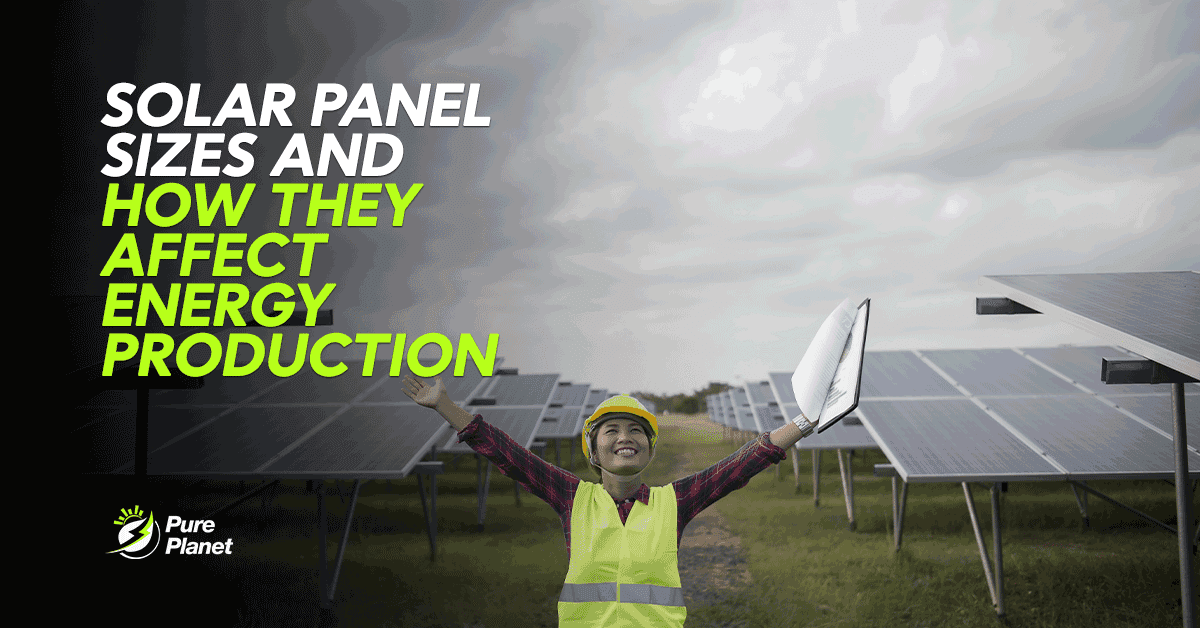
Solar panel sizes directly influence energy production by determining how much sunlight a system can capture within a specific roof area. Typically, a larger physical panel or a higher wattage rating results in greater electricity generation. For most Australian homes, standard residential solar panels measure roughly 1.7m x 1m and produce between 400W and 450W, allowing homeowners to maximize their energy output even on roofs with limited space.
In Australian households, solar systems typically aim for a balance between panel dimensions and high efficiency. A properly installed solar system can generate enough power to offset a significant portion of a family's daily electricity use, provided the panel size and total system capacity (such as 6.6kW or 10kW) are correctly matched to the property's energy needs and roof orientation.
Understanding Solar Energy and Panel Dimensions
Solar energy is a renewable resource harvested by photovoltaic cells. These cells are housed within the solar panels and work by converting sunlight into direct current (DC) electricity. The size of the individual panel and the number of cells it contains (usually 60, 66, or 72 cells) dictate the total physical footprint on your roof.
As technology improves, manufacturers are managing to increase solar panel sizes slightly while significantly boosting the wattage. This means you can often get more renewable energy Australia output from the same amount of roof space compared to older technology. This efficiency is vital for homes with complex roof lines or shading issues.
How Panel Size Relates to Wattage
Generally, a larger physical panel allows for more solar cells, which increases the total wattage. However, efficiency also plays a role. Two panels of the identical size can have different power ratings if one uses more efficient silicon cells.
When you choose the right solar panels for your home, it is important to look at the power density, the amount of power produced per square meter, to ensure you are getting the best value for your available space.
Cost Savings and Electricity Bill Reduction
The physical size and quantity of your panels determine the total system capacity, which is the biggest factor in your electricity bill reduction. Most homeowners notice reduced electricity bills when their system is large enough to cover daytime "baseload" appliances plus extra for a battery.
Self-Consumption: Larger systems produce more energy, allowing you to run heavy appliances like air conditioning during the day for free.
Feed-in Tariffs: Excess energy from your panels is sent through the grid connection, earning you credits on your bill.
Offsetting Peak Rates: By producing more power, you reduce the amount of expensive grid electricity you need to buy during the day.
Factors Affecting Solar Efficiency and Output
While solar panel sizes provide the potential for power, several environmental and technical factors determine the actual solar energy production. Even the largest panels will underperform if these elements are not managed during installation.
Roof Orientation and Tilt
In the Southern Hemisphere, North-facing panels generally produce the most energy throughout the year. If your roof is East or West facing, you might need to increase the number of panels or use larger, high-wattage panels to compensate for the slightly lower light intensity.
Inverter Systems and Clipping
Your inverter systems must be sized correctly to match your panels. In Australia, it is common to have a "DC/AC ratio" of 1.33. This means if you have a 5kW inverter, you might install 6.6kW of panels. If your panel sizes are too large for the inverter, you may experience "clipping," where the inverter reaches its limit and discards excess energy. You can consult our solar experts to ensure your system components are perfectly balanced.
Government Rebates and Incentives in Australia
The Australian government encourages the adoption of larger, efficient systems through solar rebates and incentives. The most notable is the Small-scale Technology Certificate (STC) scheme.
The amount of rebate you receive is tied directly to the expected energy production of your system. Larger solar panel sizes that result in a higher total kW rating will generally receive more STCs, effectively lowering the upfront cost of a more powerful system. This makes it financially attractive to "size up" your system during the initial installation rather than adding panels later.
Residential vs Commercial Solar Use
The approach to panel dimensions changes depending on whether the installation is for a home or a business.
Residential Solar Sizes
Standard residential panels are designed to be manageable for installers to carry up a ladder and fit onto pitched roofs. Most homes use panels around 400W–440W to keep the system compact while meeting energy targets.
Commercial Solar Sizes
Commercial panels are often physically larger (around 2m or more in length) and produce 500W to 600W+. Because commercial roofs are usually flat and have much more space, installers can use these larger dimensions to install massive capacities (like 100kW+) more quickly and with fewer mounting rails.
Practical Tips for Choosing Solar Systems
Before deciding on a specific panel, measure your usable roof space and consider your future energy needs, such as adding solar battery storage or an electric vehicle.
Check the Dimensions: Ensure the panel sizes leave enough room for "setbacks" from the edge of the roof, as required by Australian building standards.
Quality over Size: A smaller, high-efficiency N-type panel may produce more energy over 25 years than a larger, cheaper panel that degrades faster.
Future-Proofing: It is usually cheaper to install a slightly larger system now than to try and find matching panels for an upgrade in three years.
For a detailed assessment of how different panel sizes will fit your roof, view our installation gallery to see real-world examples of our work across Australia.
Frequently Asked Questions
How much can solar panels save in Australia?
An average 6.6kW solar system can save Australian households between $1,200 and $2,000 annually. The savings depend on your self-consumption rate and the current feed-in tariffs offered by your energy retailer.
Are solar panels worth it in Australia?
Yes. With some of the highest electricity prices in the world and excellent government rebates, the typical payback period for a solar system in Australia is between 3 and 5 years.
What rebates are available for solar systems?
The primary federal incentive is the STC scheme, which provides an upfront discount. Some states, like Victoria or NSW, may offer additional rebates, interest-free loans, or specific incentives for batteries.
What is the standard solar panel size for homes?
Most modern residential solar panels are approximately 1.7 meters tall and 1.1 meters wide, with a weight of about 20kg to 22kg.
Does a bigger solar panel mean more power?
Generally, yes. A larger panel has more surface area to collect sunlight. However, you must also consider the "efficiency rating," as a highly efficient smaller panel can sometimes outperform a larger, lower-quality one.
Understanding how solar energy works and the savings it offers can help you make a more informed decision when considering a solar system for your property.