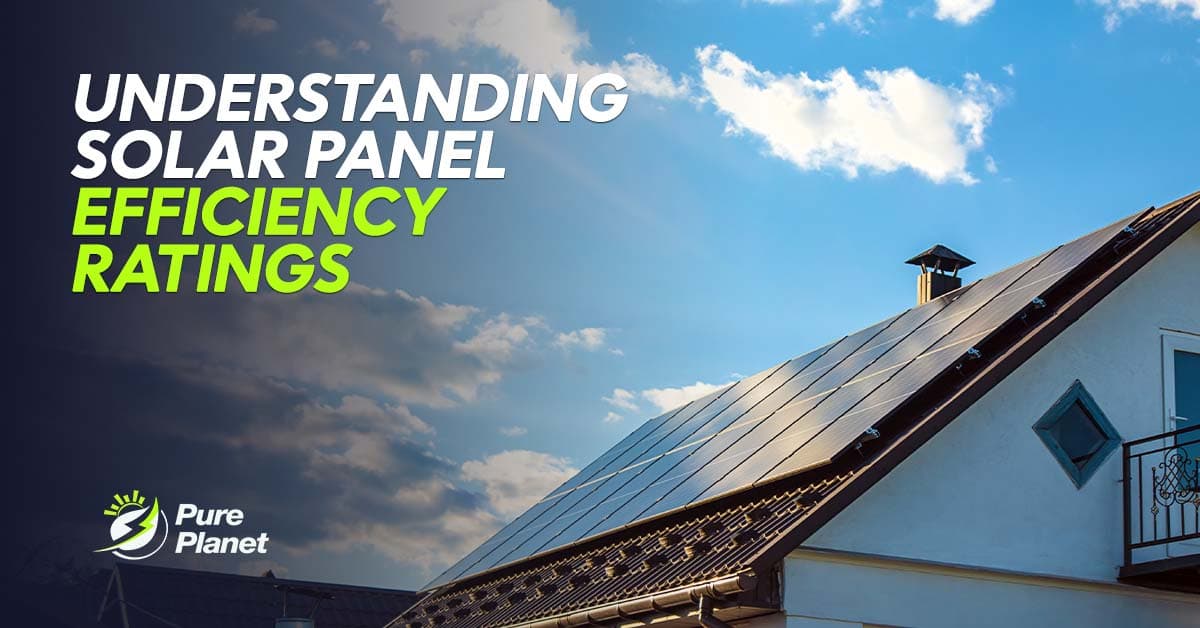
Solar panel efficiency ratings measure the percentage of sunlight a photovoltaic cell can successfully convert into usable electricity. While leading monocrystalline modules in 2026 regularly achieve premium ratings between 22% and 24.8%, understanding how environmental elements like real-world shading and summer heat degrade this number is essential for accurately forecasting your long-term energy savings.
Table of Contents
- 1.Explanation of Solar Energy and How It Works
- 2.Cost Savings and Electricity Bill Reduction
- 3.Factors Affecting Solar Efficiency in Australia
- 4.Government Rebates and Incentives in Australia
- 5.Residential vs Commercial Solar Use
- 6.Residential Efficiency Priorities
- 7.Commercial Efficiency Priorities
- 8.Practical Tips for Choosing Solar Systems
- 9.Frequently Asked Questions
- 10.How much can solar panels save in Australia?
- 11.Are solar panels worth it in Australia?
- 12.What rebates are available for solar systems?
- 13.What is a "good" solar panel efficiency rating in 2026?
- 14.Do panels lose efficiency over time?
- 15.Conclusion
Solar panel efficiency ratings measure the percentage of sunlight hitting a solar panel that is successfully converted into usable electricity. In 2026, most high-quality solar panels available in Australia feature efficiency ratings between 20% and 23%. Choosing a higher efficiency rating allows you to generate more power from a smaller roof area, which is vital for maximizing your energy independence and speeding up your return on investment.
In Australian households, solar systems typically utilize these ratings to determine how many panels are required to meet daily energy needs. A properly installed solar system can provide a significant portion of a home's power, even on overcast days, provided the panels are engineered to handle the intense local UV radiation and heat.
Most homeowners notice reduced electricity bills when they prioritize panels with a high efficiency-to-cost ratio.
Explanation of Solar Energy and How It Works
Solar energy is a renewable energy source that converts sunlight into electricity using solar panels, helping households and businesses reduce reliance on grid power. The process begins when sunlight strikes the photovoltaic (PV) cells within the solar panels. This contact creates direct current (DC) electricity, which is the raw form of solar power.
Since most Australian appliances require alternating current (AC), the power must pass through inverter systems. These devices act as the gateway, transforming the energy and directing it to your home, a solar battery storage unit, or the local grid connection. The efficiency of your panels dictates how much raw DC power is available for this conversion process.
Cost Savings and Electricity Bill Reduction
The higher the solar panel efficiency ratings, the more electricity you can produce per square meter of roof space. This direct relationship is the cornerstone of achieving substantial solar energy savings. When your system produces more power, you buy less from your energy retailer, especially during expensive peak periods.
Most homeowners notice reduced electricity bills when they align their heavy energy consumption with the peak production hours of their high-efficiency panels. By generating more power than the household uses during the day, the surplus can be exported to the grid for credits or stored for use at night. You can browse our solar panel installation options to see how different efficiency tiers impact your long-term financial outcomes.

Factors Affecting Solar Efficiency in Australia
It is a common misconception that a panel will always perform at its laboratory-rated efficiency. Real-world conditions in Australia can fluctuate, impacting the actual output of your system.
Temperature Coefficient: Solar panels are tested at 25°C. In the Australian summer, panels can reach 65°C. Panels with a better temperature coefficient maintain higher efficiency in the heat.
Shading and Orientation: Even the most efficient panels will struggle if they are shaded by trees or chimneys. North-facing orientations provide the most consistent sunlight exposure.
Dust and Soiling: Dust buildup can block sunlight. Regular maintenance ensures that your solar panels Australia wide continue to operate at their peak rated efficiency.
For more detailed technical guides on maintaining your system's output, you can check our latest solar articles which cover everything from cleaning tips to inverter troubleshooting.
Government Rebates and Incentives in Australia
The transition to renewable energy Australia is heavily supported by federal and state solar rebates and incentives. The Small-scale Technology Certificate (STC) scheme remains the primary incentive, providing an upfront discount on the cost of your system.
Interestingly, systems using panels with higher solar panel efficiency ratings often represent better value when combined with these rebates. Because the rebate is calculated based on total energy generation, a more efficient system can sometimes secure a higher incentive relative to its footprint. Some states also offer interest-free loans specifically for "premium" high-efficiency components to encourage the adoption of long-lasting technology.
Residential vs Commercial Solar Use
The way efficiency is prioritized changes depending on whether the system is installed on a home or a business.
Residential Efficiency Priorities
For the average Australian home, roof space is the limiting factor. Homeowners often choose panels with 21% or 22% efficiency to reach a target of 6.6kW or 10kW within a small area. This allows for maximum production without needing a massive roof.
Commercial Efficiency Priorities
Businesses often have large, flat warehouse roofs where space is abundant. In these cases, the focus might shift slightly toward the "cost-per-watt." While efficiency is still important, a business might opt for a slightly larger 20.5% efficiency panel if the overall project cost provides a faster payback period for their specific commercial energy tariff.
💡 Pro Tip
Don’t choose a module based on the laboratory efficiency percentage alone, always check the temperature coefficient on the manufacturer's spec sheet. Panels lose power as they heat up, so investing in a high-efficiency N-type TOPCon or HJT module with a superior temperature coefficient (closer to $-0.26\%/\text{°C}$) ensures your system maintains its high energy yield during intense Australian summer days.
Practical Tips for Choosing Solar Systems
When reviewing quotes, don't just look at the brand name. Look at the specific datasheet to find the efficiency rating and the degradation rate.
Look for N-Type Technology: N-type panels (like TOPCon or HJT) generally offer higher efficiency and better long-term reliability than older P-type panels.
Check the 25-Year Performance Warranty: A high initial efficiency is only valuable if the panel retains that power. Look for a warranty that guarantees at least 85% to 90% production after 25 years.
Paired Components: Ensure your inverter is high-quality. A 23% efficient panel is wasted if an inefficient inverter loses that energy during the conversion process.
Selecting the right provider is the final step in securing a high-performance system. You can find more information about our qualified solar installers to understand how professional installation ensures your rated efficiency translates into real-world savings
Conclusion
Understanding solar panel efficiency ratings is the key to choosing a system that will serve your home or business for decades. While the numbers may seem small, the difference between an 18% efficient panel and a 22% efficient panel can mean thousands of dollars in extra savings over the life of the system. By focusing on high-quality components and professional installation, you ensure that your investment in renewable energy provides the maximum possible benefit to your wallet and the environment.
Understanding how solar energy works and the savings it offers can help you make a more informed decision when considering a solar system for your property.