Learn how solar inverters and batteries work together to store energy, reduce bills, and power Australian homes with renewable energy.
Table of Contents
- 1.Understanding Solar Energy and How It Works
- 2.The Role of the Inverter
- 3.How Inverters and Batteries Work Together
- 4.Discharging Power at Night
- 5.Cost Savings and Electricity Bill Reduction
- 6.Increasing Your Self-Consumption
- 7.Factors Affecting Solar Efficiency
- 8.Government Rebates and Incentives in Australia
- 9.Small-scale Technology Certificates (STCs)
- 10.State Battery Rebates
- 11.Residential vs Commercial Solar Use
- 12.Residential Application
- 13.Commercial Application
- 14.Practical Tips for Choosing Solar Systems
- 15.Frequently Asked Questions
- 16.How much can solar panels save in Australia?
- 17.Are solar panels worth it in Australia?
- 18.What rebates are available for solar systems?
- 19.Can I add a battery to my existing solar system?
- 20.How long do solar batteries last?
Solar inverters and batteries work together by converting and storing energy to ensure your home has power day and night. The inverter converts the DC electricity from your solar panels into AC power for immediate use, while the battery stores any excess energy. This coordinated system allows you to use your own solar power after the sun goes down, significantly reducing your reliance on the grid.
In Australian households, solar systems typically generate the most power during the middle of the day. Without a battery, any energy you don't use is sent back to the grid for a small credit. By combining solar battery storage with a smart inverter, you keep that energy for your own evening consumption, maximizing your investment.
Understanding Solar Energy and How It Works
Solar energy is a renewable power source that uses photovoltaic cells to capture sunlight. When sunlight hits your panels, it creates direct current (DC) electricity. However, most household appliances in Australia run on alternating current (AC).
This is where inverter systems become the heart of the setup. The inverter acts as the "brain," constantly managing the flow of electricity between your panels, your home appliances, the battery, and the utility grid.
The Role of the Inverter
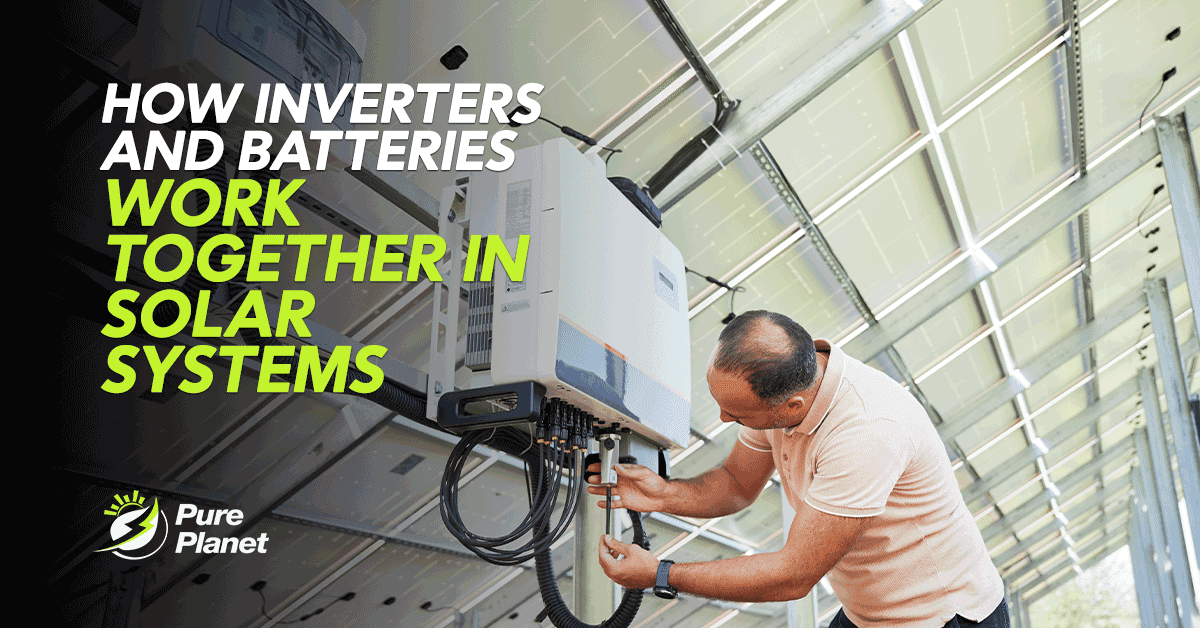
A properly installed solar system can use different types of inverters. A hybrid inverter is specifically designed to manage both solar panels and a battery simultaneously.
It decides in real-time whether to power your fridge, charge your battery, or send surplus energy to the grid. This intelligence ensures you are always using the cheapest and most efficient power source available.
How Inverters and Batteries Work Together
The relationship between your inverter and battery determines how much money you save. When the sun is shining, the inverter first directs power to your home’s active loads, such as air conditioning or lights.
If the panels produce more than you need, the inverter switches the flow to charge your solar battery storage. Once the battery is full, only then is the excess energy exported to the grid.
Discharging Power at Night
Most homeowners notice reduced electricity bills when they use their battery during peak evening periods. As the sun sets, the inverter detects the drop in solar production.
It automatically begins drawing the stored DC power from the battery, converting it to AC, and feeding it into your home. This process happens instantly, meaning you don't notice a flicker in your lights while transitioning from solar to battery power.
Cost Savings and Electricity Bill Reduction
The primary benefit of integrating solar inverters and batteries is the dramatic drop in your power bills. In Australia, electricity prices are often highest in the evening when solar panels aren't producing energy.
By using stored energy during these "peak" times, you avoid buying expensive power from the grid. While the upfront cost of a battery is an investment, the long-term savings often outweigh the initial expense. You can view our solar services to see how custom-designed systems focus on these specific savings goals.
Increasing Your Self-Consumption
"Self-consumption" refers to the percentage of solar energy you use yourself versus what you export. A standard solar-only system might have a self-consumption rate of 30%.
Adding a battery can push that figure above 80%. This shift is the most effective way to combat rising energy costs in the Australian market.
Factors Affecting Solar Efficiency
Not every solar system performs the same way. Several factors influence how effectively your renewable energy Australia setup converts and stores power throughout the year.
Inverter Efficiency: High-quality inverters have higher conversion rates, meaning less energy is lost as heat during the DC to AC transition.
Temperature: Inverters and batteries prefer cool, well-ventilated areas. Extreme Australian heat can cause "thermal throttling," reducing how fast they can charge or discharge.
Battery Depth of Discharge (DoD): This refers to how much of the battery's capacity can be used safely. Modern lithium-ion batteries typically allow for a high DoD, giving you more usable energy.
To ensure your components are installed in the best possible location for efficiency, you should consult with experienced solar installers who understand local climate challenges.
Government Rebates and Incentives in Australia
The Australian government offers various programs to help lower the cost of installing solar inverters and batteries. These incentives make renewable technology more accessible for the average family.
Small-scale Technology Certificates (STCs)
This is the most common federal incentive. It provides a point-of-sale discount based on the expected electricity generation of your system over the next decade.
State Battery Rebates
Depending on which state you live in, there may be additional grants or interest-free loans specifically for battery storage. These programs change frequently, so it is helpful to check current availability in your local area.
Residential vs Commercial Solar Use
While the technology is similar, the way solar inverters and batteries are used differs between homes and businesses.
Residential Application
For homes, the goal is usually to cover evening energy use and achieve "blackout protection." Homeowners prioritize small, wall-mounted batteries that fit into garages or side-passages.
Commercial Application
Businesses often use energy during the day, which means they might require larger inverters but smaller batteries. However, some commercial sites use batteries for "peak shaving," which prevents them from being charged high fees for drawing large amounts of power from the grid at once.
Practical Tips for Choosing Solar Systems
When selecting your equipment, focus on compatibility. Not every inverter works with every battery. A "closed" system might limit your options, whereas an "open" system allows you to mix brands.
Check the Warranty: Ensure your inverter has at least a 10-year warranty and the battery is rated for at least 6,000 cycles.
Size Matters: Don't undersize your inverter. If you plan to add more panels later, ensure your inverter can handle the increased load.
Smart Monitoring: Choose a system with a high-quality app. Being able to see your energy flow in real-time helps you adjust your habits for better savings.
Selecting the right components is easier when you work with a team that provides reliable renewable energy solutions tailored to your specific roof and energy needs.
Frequently Asked Questions
How much can solar panels save in Australia?
A standard 6.6kW solar system can save Australian households between $1,200 and $2,000 per year. Adding a battery can increase these savings by allowing you to avoid high evening tariffs.
Are solar panels worth it in Australia?
Yes. Given the high electricity rates and the abundance of sunlight, the payback period for solar in Australia is among the fastest in the world, often ranging from 3 to 5 years for solar-only systems.
What rebates are available for solar systems?
The primary incentive is the federal STC scheme, which reduces the upfront cost. Some states also offer specific rebates or interest-free loans for solar battery storage.
Can I add a battery to my existing solar system?
Yes, this is known as "retrofitting." You may need to add an "AC-coupled" battery or replace your existing inverter with a hybrid model that supports solar inverters and batteries.
How long do solar batteries last?
Most modern solar batteries last between 10 and 15 years. Their lifespan depends on how often they are cycled and the temperature of the environment where they are installed.
Understanding how solar energy works and the savings it offers can help you make a more informed decision when considering a solar system for your property.