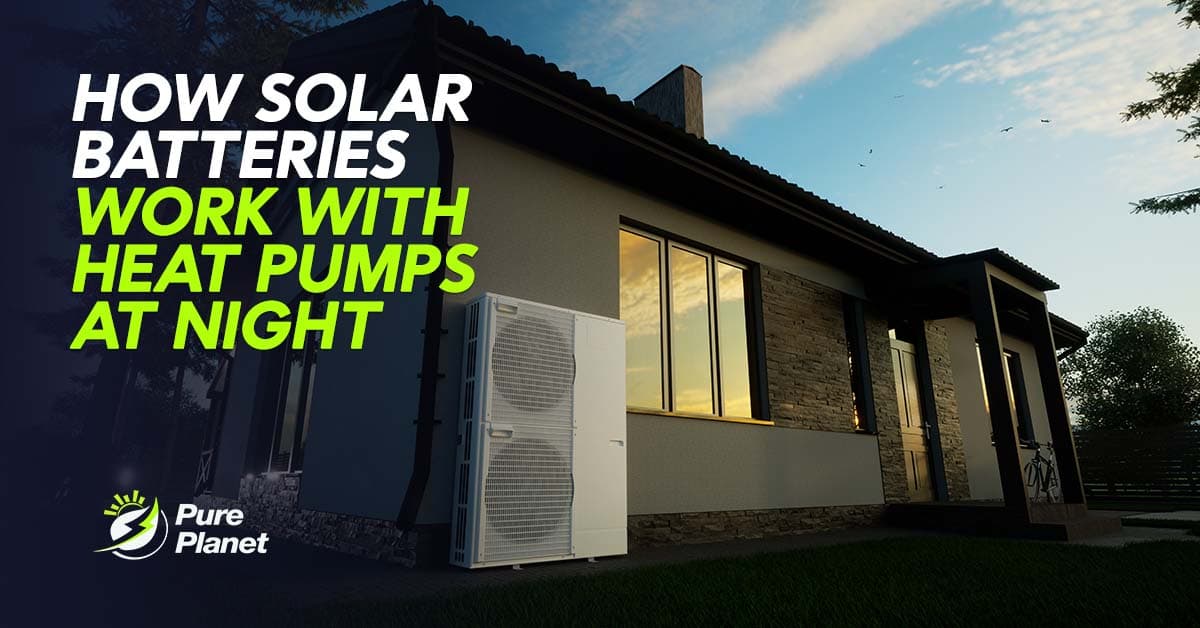
Solar batteries act as your home’s private energy bank, storing the excess clean electricity generated by your panels during the day so you can deploy it after dark. By pairing a high-capacity storage system, like a NeoVolt or Fox ESS, with a high-efficiency hot water heat pump or electric heating system, you can run these heavy-draw appliances overnight entirely on stored sunshine. This powerful combination allows you to maintain a perfectly comfortable home and constant hot water during chilly Melbourne nights without drawing a single kilowatt from the expensive evening grid.
Table of Contents
- 1.Explanation of Solar Energy and How It Works
- 2.Cost Savings and Electricity Bill Reduction
- 3.Factors Affecting Solar Efficiency and Performance
- 4.Government Rebates and Incentives in Australia
- 5.Residential vs Commercial Solar Use
- 6.Residential Applications
- 7.Commercial Applications
- 8.Practical Tips for Choosing Solar Systems
- 9.Frequently Asked Questions
- 10.How much can solar panels save in Australia?
- 11.Are solar panels worth it in Australia?
- 12.What rebates are available for solar systems?
- 13.Will a solar battery last all night running a heat pump?
- 14.Can I add a heat pump to my existing solar system?
- 15.Conclusion
Solar batteries and heat pumps work together by storing excess energy generated during the day to power your heating or hot water system after sunset. The heat pump uses a small amount of electricity to move heat from the outside air into your home or water tank. By drawing this electricity from a solar battery rather than the grid, you achieve 24/7 climate control and hot water with zero operational costs from your energy provider.
In Australian households, solar systems typically generate a surplus of energy during peak daylight hours. Without a storage solution, this energy is sent to the grid for a low credit. By integrating solar battery storage, you can run your heat pump’s "recovery cycle" or maintain evening room temperatures using 100% self-generated renewable energy, even in the middle of winter.
Explanation of Solar Energy and How It Works
Solar energy is a renewable power source that converts sunlight into electricity using photovoltaic (PV) cells. When photons hit the solar panels on your roof, they create Direct Current (DC) electricity. This energy flows into inverter systems, which transform it into Alternating Current (AC) to power your household appliances.
A heat pump is essentially a reverse-cycle air conditioner or a highly efficient water heater. It does not create heat through resistance; instead, it transfers it. Because they are up to four times more efficient than traditional electric heaters, they are the perfect partner for solar power. When the sun goes down, the energy stored in your battery takes over the job of the panels, keeping the heat pump running without a grid connection.
Cost Savings and Electricity Bill Reduction
Combining solar batteries and heat pumps is one of the most effective strategies for long-term electricity bill reduction. Hot water and space heating usually account for the largest portion of a home's total energy consumption. By shifting these loads to solar, you tackle the most expensive part of your utility bill.
Most homeowners notice reduced electricity bills when they stop using the grid for night-time heating. In Australia, peak electricity rates often occur in the evening. If your heat pump triggers a heating cycle at 7:00 PM, drawing that power from a battery saves you from paying peak-hour prices. To understand the specific return on investment for your area, you can explore our solar panel services to see how custom-engineered systems maximize these savings.

Factors Affecting Solar Efficiency and Performance
The efficiency of a combined battery and heat pump system depends on several environmental and technical factors. Proper planning ensures that you have enough stored power to last until the sun rises the next morning.
Battery Capacity: You must ensure your battery has a high enough "discharge rate" to handle the startup current of the heat pump's compressor.
Ambient Temperature: Heat pumps work harder as the outside air gets colder. This means they may consume more battery power on a frosty night in Canberra or Melbourne than on a mild night in Brisbane.
Thermal Insulation: The better your home is insulated, the less the heat pump has to work, which preserves your battery charge for other evening needs like lighting and cooking.
A properly installed solar system can be programmed with "smart logic." This allows the heat pump to do the bulk of its heavy lifting, like heating a 300-litre water tank, during the day when solar production is at its peak, leaving the battery to simply maintain the temperature overnight. For more technical insights, check out our solar blog for deep dives into system optimization.
Government Rebates and Incentives in Australia
The transition to renewable energy Australia wide is supported by various solar rebates and incentives. In 2026, many state governments have introduced specific "electrification" grants that reward homeowners for replacing gas heaters with heat pumps and adding storage.
The federal Small-scale Technology Certificate (STC) scheme applies to both the solar panels and, in many cases, the heat pump water heater itself. This dual-rebate scenario significantly lowers the upfront cost of the entire package. Furthermore, some states offer interest-free loans or additional rebates for solar battery storage when it is part of a holistic home energy upgrade.
Residential vs Commercial Solar Use
While the concept of storing energy for heating is the same, the scale of equipment for solar batteries and heat pumps varies between residential and commercial applications.
Residential Applications
For a typical home, a 10kWh to 13kWh battery paired with a 5kW to 7kW heat pump is usually sufficient. The goal is to achieve domestic comfort and hot water for a single family while eliminating the gas bill entirely.
Commercial Applications
Businesses, such as hotels, aged care facilities, or aquatic centres, require massive thermal loads. These sites use large-scale "cascaded" heat pump systems and industrial battery arrays. For these entities, the savings are measured in the tens of thousands of dollars, as they can bypass "demand charges" that utilities place on high-volume users.
💡 Pro Tip
To maximize your savings, program your heat pump's "thermal storage" capability to do its heaviest heating cycle during the late afternoon just before the sun goes down. By pre-heating your water tank or living spaces using direct, real-time solar generation, you enter the night with your heating needs already met, leaving your battery budget completely topped up and ready to power your lights, appliances, and EV charging through the morning.
Practical Tips for Choosing Solar Systems
When planning a system that includes solar batteries and heat pumps, compatibility is the most important factor to consider. You want a system where the components "talk" to each other to manage energy flow effectively.
Check the COP Rating: Look for a heat pump with a high Coefficient of Performance (COP). A COP of 4 means for every 1kW of battery power used, you get 4kW of heat.
Sizing the Array: Ensure you have enough solar panels to charge the battery and run the house during the day. In Australia, a 6.6kW system is the minimum, but 10kW is often better for battery-equipped homes.
Inverter Intelligence: Use a hybrid inverter that can prioritize "Essential Loads." You want your heat pump to be powered by the battery, but perhaps not if the battery is below 20% charge.
By choosing a reputable provider for your solar installation, you ensure that the electrical switchboard is correctly wired to handle the communication between your storage and your heating units.
Conclusion
The combination of solar batteries and heat pumps represents the future of the Australian home. By capturing the sun’s energy and storing it for thermal use at night, you move beyond simple electricity savings and achieve true energy independence. This "whole-of-home" approach ensures that your most energy-intensive needs, heating and hot water, are met with clean, free power. Transitioning away from gas and grid-dependence not only protects your wallet from price hikes but also contributes significantly to a sustainable Australia.
Understanding how solar energy works and the savings it offers can help you make a more informed decision when considering a solar system for your property.