Discover how heat pump upgrades reduce energy bills in Australia. Learn about solar integration, 2026 rebates, and how to save up to 70% on hot water costs.
Table of Contents
- 1.Understanding Heat Pumps and How They Work
- 2.The Synergy Between Solar and Heat Pumps
- 3.Cost Savings and Electricity Bill Reduction
- 4.Factors Affecting Heat Pump Efficiency
- 5.Ambient Temperature and Airflow
- 6.Tank Insulation and Placement
- 7.Government Rebates and Incentives in Australia
- 8.Small-scale Technology Certificates (STCs)
- 9.State-Specific Energy Upgrades
- 10.Residential vs Commercial Heat Pump Use
- 11.Residential Heat Pumps
- 12.Commercial Heat Pumps
- 13.Practical Tips for Choosing a Heat Pump System
- 14.Frequently Asked Questions
- 15.How much can solar panels save in Australia when paired with a heat pump?
- 16.Are solar panels worth it in Australia if I already have a heat pump?
- 17.What rebates are available for heat pump upgrades?
- 18.Can a heat pump work at night?
- 19.Is a heat pump noisy?
- 20.Conclusion
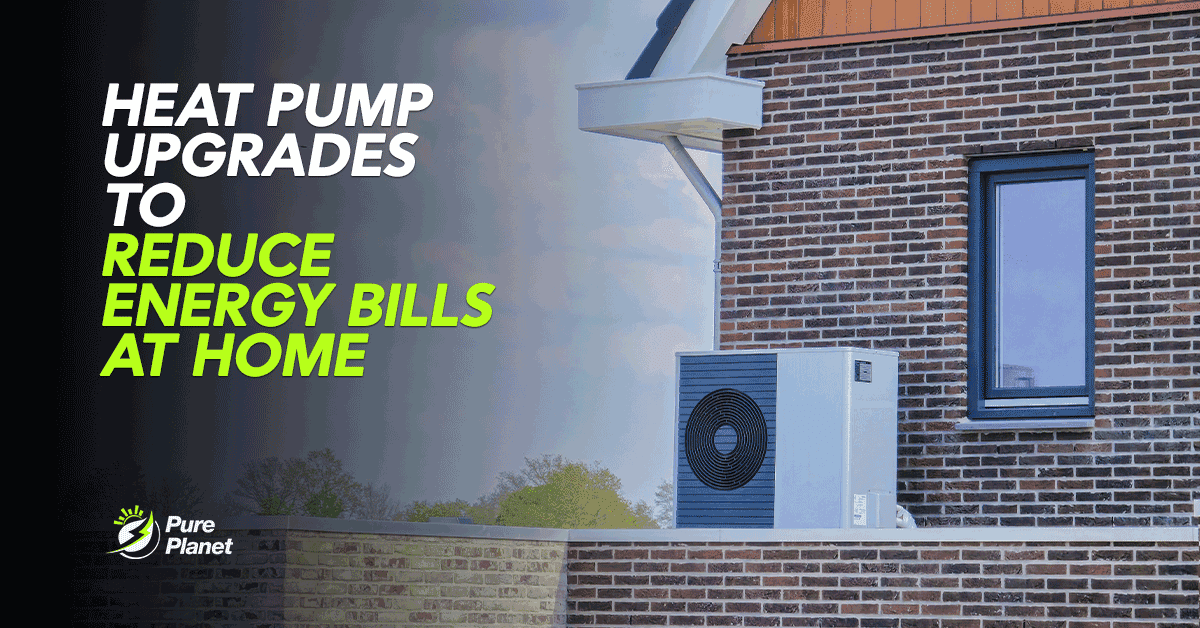
Heat pump upgrades reduce energy bills by using ambient air temperature to heat water or interior spaces, consuming up to 75% less electricity than traditional electric resistance heaters.
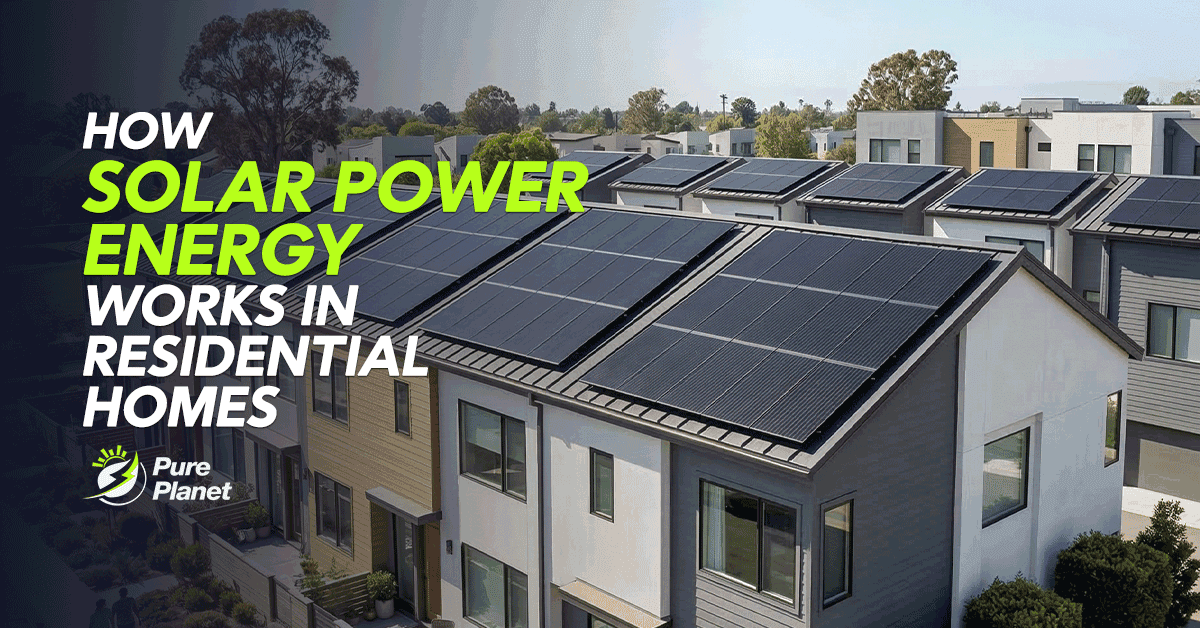
In Australian households, solar systems typically pair perfectly with heat pumps to create an all-electric home that runs almost entirely on self-generated power. By replacing an old gas or electric hot water system with a high-efficiency heat pump, homeowners can save hundreds of dollars annually while lowering their carbon footprint.
Most homeowners notice reduced electricity bills when they transition away from gas appliances and toward high-efficiency electric alternatives. Because a heat pump acts like a reverse refrigerator, pulling heat from the outside air and moving it into your water tank, it is incredibly efficient even in cooler climates. When integrated with your existing solar array, the cost of heating your water can drop to nearly zero.
Understanding Heat Pumps and How They Work
A heat pump is a renewable energy technology that transfers heat rather than generating it through combustion or high-resistance coils. For hot water, the unit pulls heat from the surrounding air, concentrates it using a compressor and refrigerant, and transfers that heat to the water stored in the tank.
This process is remarkably efficient because it only uses electricity to run the compressor and fan, not to create the actual heat. In the context of renewable energy Australia, heat pumps are considered a vital pillar for decarbonizing homes. They allow you to move away from volatile gas prices and take full advantage of the clean energy produced by your solar panels.
The Synergy Between Solar and Heat Pumps
A properly installed solar system can be timed to run your heat pump during the middle of the day. This is the period when your solar panels Australia are producing peak power. Instead of exporting that energy to the grid for a low feed-in tariff, you "store" that energy as hot water for use in the evening.
Cost Savings and Electricity Bill Reduction
The financial impact of heat pump upgrades is immediate and substantial. Hot water heating typically accounts for about 25% of the average Australian household's energy consumption. By switching to a heat pump, you are tackling one of the largest expenses on your utility statement.
Lower Operational Costs: Heat pumps produce about 3 to 4 units of thermal energy for every 1 unit of electricity consumed.
Gas Disconnection: Many Australian homes are "electrifying" to remove gas connection fees entirely, which can save over $300 a year in service charges alone.
Increased Property Value: Energy-efficient homes with modern electric appliances are increasingly sought after in the Australian real estate market.
To maximize these savings, you can view our solar services to see how we design energy ecosystems that integrate hot water, solar, and storage for maximum ROI.
Factors Affecting Heat Pump Efficiency
While heat pumps are highly efficient, their performance can vary based on installation and environmental factors. Understanding these variables ensures you get the best performance from your upgrade.
Ambient Temperature and Airflow
Heat pumps work best when they have access to plenty of fresh air. They should be installed in well-ventilated outdoor areas. While modern units can work in temperatures below freezing, they are most efficient in the temperate and subtropical climates found across most of Australia.
Tank Insulation and Placement
Keeping the heat inside the tank is just as important as getting it there. Choosing a high-quality insulated tank and placing it as close as possible to the most-used hot water outlets (like bathrooms) reduces "lag time" and energy waste in the pipes. You can learn more about our team and our commitment to using only high-efficiency components that stand up to the Australian sun.
Government Rebates and Incentives in Australia
The Australian government heavily incentivizes heat pump upgrades through several programs designed to lower the upfront cost. These solar rebates and incentives are often available at both federal and state levels.
Small-scale Technology Certificates (STCs)
Much like solar panels, heat pumps generate STCs. These certificates are traded for a discount on the purchase price of the unit. Depending on the efficiency of the model and your location, this can reduce the cost by over $1,000.
State-Specific Energy Upgrades
In states like Victoria (VEU program) or New South Wales (ESS scheme), there are specific incentives that can make a heat pump upgrade almost entirely subsidized or extremely low-cost. These programs aim to phase out inefficient electric and gas hot water systems in favor of heat pump technology.
Residential vs Commercial Heat Pump Use
While the technology remains the same, the scale of heat pump systems changes significantly depending on the property type.
Residential Heat Pumps
For a standard family home, a 200L to 300L heat pump is usually sufficient. The goal is to provide reliable hot water for showers and appliances while minimizing the daily draw on the grid connection.
Commercial Heat Pumps
Businesses such as hotels, aged care facilities, and hospitals require massive amounts of hot water. Commercial heat pump systems are often "modular," meaning several units work together to meet high demand. These systems provide a rapid return on investment by slashing the massive gas bills traditionally associated with large-scale water heating.
Practical Tips for Choosing a Heat Pump System
When you are ready to upgrade, it is important to choose a unit that is built for Australian conditions. Not all heat pumps are created equal, and cheaper units can be noisy or prone to failure in coastal environments.
Check the Noise Rating: Modern heat pumps should be quiet. Check the decibel (dB) rating to ensure it won't disturb you or your neighbors.
Look for "Timer" Functions: Ensure the unit has a built-in timer so you can force it to run during the day when your solar panels are active.
Verify the Warranty: Look for at least a 5-year warranty on the tank and the compressor.
To ensure your new system integrates perfectly with your inverter systems and overall energy plan, it is best to consult with solar specialists who understand the full home energy picture.
Frequently Asked Questions
How much can solar panels save in Australia when paired with a heat pump?
By using solar power to run your heat pump, you can save an additional $400 to $800 per year on top of your standard solar savings. This is because you are using free sunlight to tackle your second-largest energy expense: hot water.
Are solar panels worth it in Australia if I already have a heat pump?
Yes. A heat pump still requires electricity to operate. Solar panels provide that electricity for free during the day, ensuring that your hot water is heated by renewable energy rather than grid power.
What rebates are available for heat pump upgrades?
Homeowners can access federal STC discounts and, in many cases, state-based rebates like the Victorian Energy Upgrades (VEU) or the NSW Energy Savings Scheme (ESS). These can significantly lower the installation cost.
Can a heat pump work at night?
Yes, a heat pump can work at night by pulling heat from the night air. however, it is most efficient to run it during the day when the air is warmer and your solar panels are producing electricity.
Is a heat pump noisy?
While older models had a reputation for being loud, modern Tier-1 heat pumps are very quiet, often producing less noise than a standard split-system air conditioner.
Conclusion
Upgrading to a heat pump is one of the smartest moves an Australian homeowner can make to gain control over rising utility costs. By leveraging ambient air temperature and the power of the sun, you can transform your home into a model of efficiency. Understanding how solar energy works and the savings it offers through heat pump upgrades can help you make a more informed decision when considering a solar system for your property.