Designing a custom rooftop solar system requires a precise evaluation of your home’s daily energy consumption, available roof space, and local sun exposure. By tailoring the panel layout, structural mounting, and inverter technology to your roof’s specific orientation and shading constraints, you can maximize power output and secure long-term energy independence.
Table of Contents
- 1.What is Solar Energy and How Does it Work?
- 2.Cost Savings and Electricity Bill Reduction
- 3.Factors Affecting Solar Efficiency in Custom Designs
- 4.Roof Orientation and Tilt
- 5.Shading and Obstructions
- 6.Government Rebates and Incentives in Australia
- 7.Residential vs Commercial Custom Solar Use
- 8.Residential Customization
- 9.Commercial Customization
- 10.Practical Tips for Choosing and Designing Your System
- 11.Frequently Asked Questions
- 12.How much can solar panels save in Australia?
- 13.Are solar panels worth it in Australia?
- 14.What rebates are available for solar systems?
- 15.Does a custom design take longer to install?
- 16.Can I add more panels to my custom system later?
- 17.Conclusion
To design a custom solar system for your roof, you must analyze your home’s orientation, available roof space, and daily energy consumption patterns. A successful design involves selecting high-efficiency solar panels, choosing the right inverter system, and positioning panels to capture maximum sunlight, typically facing North in Australia. By tailoring the system to your specific structural layout and power needs, you can maximize your return on investment and long-term energy savings.
In Australian households, solar systems typically achieve the best results when they are designed to match the unique pitch and shading of the roof. A properly installed solar system can provide reliable power for over 25 years, but this longevity depends heavily on the initial design phase. Most homeowners notice reduced electricity bills when their system is customized to handle peak loads during the day while accounting for seasonal changes in sun position.
What is Solar Energy and How Does it Work?
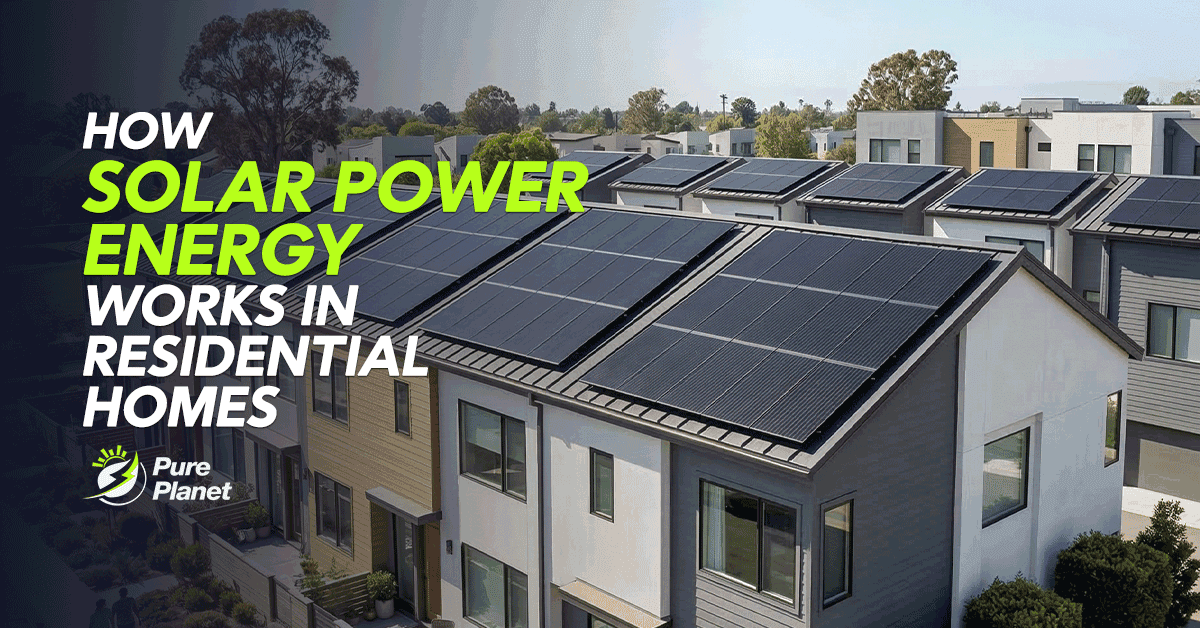
Solar energy is a renewable resource that converts sunlight into electricity using photovoltaic cells within solar panels. These panels capture sunlight as direct current (DC) electricity. To make this power usable for your home appliances, it must pass through inverter systems that convert it into alternating current (AC).
When you design a custom solar system, you are essentially creating a mini power plant on your roof. This system interacts with your grid connection to either pull power when needed or send excess energy back for a credit. The goal of a custom design is to ensure that the energy produced aligns as closely as possible with when your home actually needs it.
Cost Savings and Electricity Bill Reduction
The primary motivation for a custom design is maximizing solar energy savings. Off-the-shelf, one-size-fits-all solar packages often fail to account for specific roof obstructions or high-usage appliances, leading to missed savings opportunities.
A bespoke design ensures that you are not over-investing in panels you don't need or under-sizing a system that leaves you reliant on the expensive utility grid. You can view our solar services to see how professional engineering helps identify the exact number of panels required to offset your specific quarterly costs. By targeting your highest usage periods, a custom system can reduce your annual energy expenditure by thousands of dollars.

Factors Affecting Solar Efficiency in Custom Designs
Efficiency is not just about the quality of the hardware; it is about how that hardware is placed. Several geographical and structural factors must be integrated into your plan.
Roof Orientation and Tilt
In the Southern Hemisphere, North-facing roofs are the "gold standard" for consistent production. However, a custom design might include East or West-facing strings if your energy consumption is higher in the mornings or late afternoons. This "split-array" design can provide a smoother power curve throughout the day.
Shading and Obstructions
Trees, chimneys, and even neighboring buildings can cast shadows that significantly diminish output. Custom designs often utilize power optimizers or micro-inverters to ensure that if one panel is shaded, the rest of the array continues to perform at 100% capacity. You can learn more about our team and how we use advanced shading analysis software to predict and overcome these obstacles.
Government Rebates and Incentives in Australia
The financial feasibility of your project is greatly improved by solar rebates and incentives. The federal government’s STC (Small-scale Technology Certificate) scheme provides a significant upfront discount based on the system's expected generation.
When you design a custom solar system, the total kW capacity of your design determines the number of certificates you receive. In 2026, many Australian states also offer specific incentives for solar battery storage, making it more affordable to add backup power to your custom array. Accurate design ensures you claim every dollar you are entitled to under current regulations.
💡 Pro Tip
Don't just design for your current electricity bill; plan your custom layout with a "future-proofing" buffer. If you plan to add an electric vehicle (EV), a ducted heat pump, or home battery storage over the next few years, configuring your inverter capacity and roof layout today saves you from costly structural re-engineering and hardware replacements down the road.
Residential vs Commercial Custom Solar Use
The scale of the design changes depending on whether the system is for a family home or a large-scale business operation.
Residential Customization
For homes, the design focus is usually on aesthetic integration and maximizing self-consumption. Homeowners often prioritize "battery-ready" designs that allow for the addition of storage in the future without needing to replace the core inverter.
Commercial Customization
Businesses often have large, flat roofs and high daytime energy needs. A commercial custom design focuses on "peak shaving", using solar to reduce the maximum draw from the grid, which can significantly lower the high demand charges that businesses often face.

Practical Tips for Choosing and Designing Your System
Before committing to an installation, consider how your energy needs might change over the next five to ten years.
Plan for Electric Vehicles: Even if you don't own an EV now, designing your system with extra capacity or a larger inverter can save you thousands in future upgrade costs.
Select Tier-1 Hardware: Only use panels and inverters with a strong Australian support network.
Use High-Quality Racking: On the coast, salt-resistant mounting hardware is a necessity, not an option.
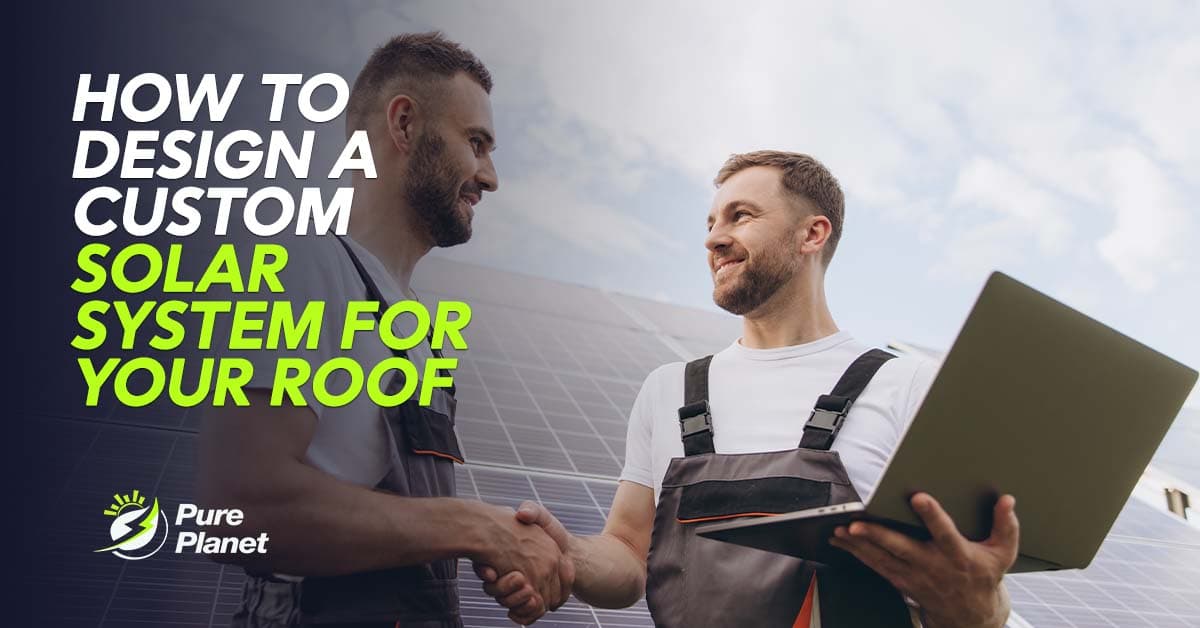
By choosing a reliable solar partner, you gain access to technicians who can perform a detailed site visit, ensuring your custom design accounts for every tile, vent, and shadow on your roof.
Conclusion
Planning a solar energy solution is about more than just putting panels on a roof; it is about creating a strategy that works for your specific home and lifestyle. By taking the time to design a custom solar system, you ensure that your investment is protected against shading, orientation issues, and rising energy costs. Understanding how solar energy works and the savings it offers can help you make a more informed decision when considering a solar system for your property.