What is the 20% rule for solar panel efficiency? Learn how energy conversion works, why it matters for Australian homes, and how to maximize your savings.
Table of Contents
- 1.Explanation of Solar Energy and How It Works
- 2.Cost Savings and Electricity Bill Reduction
- 3.Factors Affecting Solar Efficiency
- 4.Government Rebates and Incentives in Australia
- 5.Residential vs Commercial Solar Use
- 6.Residential Efficiency
- 7.Commercial Efficiency
- 8.Practical Tips for Choosing Solar Systems
- 9.Frequently Asked Questions
- 10.How much can solar panels save in Australia?
- 11.Are solar panels worth it in Australia?
- 12.What rebates are available for solar systems?
- 13.Does a 20% efficiency rating mean 80% is wasted?
- 14.How do I know if my panels are losing efficiency?
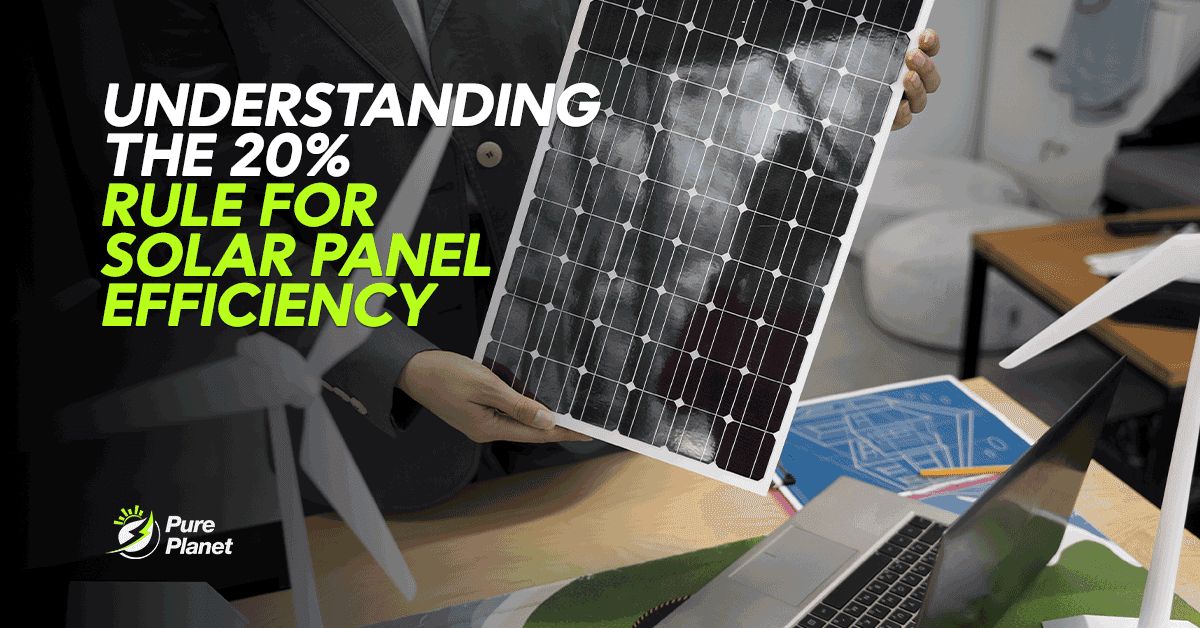
The solar panel efficiency 20% rule refers to the standard benchmark for modern photovoltaic panels, where roughly 20% of the sunlight hitting the panel is converted into usable electricity. While this percentage may sound low, it is actually a significant technical achievement.
In Australian households, solar systems typically utilize panels rated between 19% and 23% efficiency to maximize power generation within the limited roof space available on most residential properties. A properly installed solar system can provide massive amounts of energy even at these efficiency levels. Because sunlight is free and abundant in Australia, a 20% conversion rate is more than enough to cover a typical family's daily energy consumption.
Higher efficiency panels are often used to generate more power from a smaller number of panels, which is ideal for smaller roofs or homes with shading issues.
Explanation of Solar Energy and How It Works
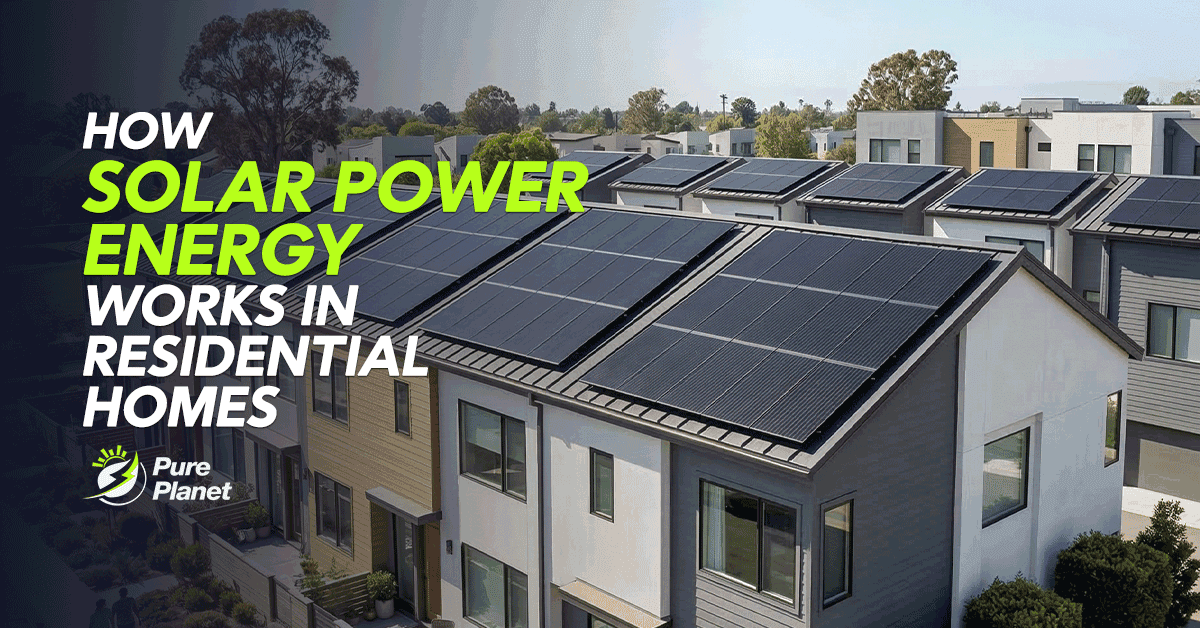
Solar energy is a renewable power source that converts photons from sunlight into direct current (DC) electricity. This process happens within the silicon cells of your solar panels. Once the DC power is generated, it travels to your inverter systems, which transform it into alternating current (AC) power. This AC power is what actually runs your fridge, television, and lights.
The efficiency of a panel measures how well it performs this conversion. If a panel has a 20% efficiency rating, it means it captures one-fifth of the solar energy available to it. The remaining energy is reflected or lost as heat. Understanding this helps homeowners realize that the quality of the silicon and the engineering of the panel are vital for long-term renewable energy Australia goals.
Cost Savings and Electricity Bill Reduction
The primary reason for focusing on solar panel efficiency is to maximize your financial return. By choosing panels that convert more sunlight into power, you reduce your reliance on the utility grid, especially during peak price periods.
Most homeowners notice reduced electricity bills when they match high-efficiency panels with smart energy habits. For instance, using a high-efficiency system allows you to generate enough excess power to charge solar battery storage, ensuring you have free electricity to use even after the sun goes down. You can view our solar services to see how we calculate the best efficiency-to-cost ratio for your specific property.
Factors Affecting Solar Efficiency
It is a common misconception that efficiency is only about the panel's brand. Several external factors can lower the actual performance of your system once it is on your roof.
Temperature: Solar panels actually become less efficient as they get very hot. Australian summers can push panel temperatures high, so quality panels are designed with a low "temperature coefficient" to maintain performance.
Shading: Even a small amount of shade on one corner of a panel can significantly drop the solar panel efficiency of the entire string.
Angle and Orientation: In Australia, panels should ideally face North at an angle equal to the local latitude to catch the most direct sunlight throughout the year.
To ensure your system is designed to overcome these environmental hurdles, you can learn more about our team and our approach to precision engineering for Australian climates.
Government Rebates and Incentives in Australia
The Australian government provides support through solar rebates and incentives to make high-efficiency technology more affordable. The federal Small-scale Technology Certificate (STC) scheme offers an upfront discount based on the expected yield of your system.
By choosing panels with higher solar panel efficiency, your system may qualify for more certificates because it is capable of producing more renewable energy over its lifetime. This helps offset the slightly higher cost of premium, high-efficiency modules, making them a smarter long-term investment for many families.
Residential vs Commercial Solar Use
The importance of efficiency ratings often shifts depending on the scale of the installation.
Residential Efficiency
In residential settings, roof space is the biggest constraint. Homeowners often choose 400W to 440W panels with 21%+ efficiency to get the maximum possible 6.6kW or 10kW capacity onto a limited roof area. This ensures the highest possible solar energy savings for the household.
Commercial Efficiency
Commercial buildings often have massive, flat roofs. In these cases, absolute efficiency might be less critical than the "cost per watt." Businesses might choose slightly larger panels with 20% efficiency because they have the space to install 50 or 100 panels without running out of room.
Practical Tips for Choosing Solar Systems
When comparing quotes, don't just look at the total price. Look at the data sheet for the specific solar panel efficiency rating and the degradation rate.
Check the Efficiency Rating: Aim for a minimum of 20% to ensure you are getting modern, high-quality silicon technology.
Verify the Warranty: High-efficiency panels usually come with better "performance warranties," guaranteeing they will still produce 85% to 90% of their power after 25 years.
Consider the Inverter: Your inverter must be efficient enough to handle the high output of your panels without losing energy during the conversion process.
Selecting the right balance of technology is easier when you work with experienced solar professionals who can model your expected savings based on real-world efficiency data.
Frequently Asked Questions
How much can solar panels save in Australia?
A standard 6.6kW system with 20% efficiency can save an Australian household between $1,200 and $2,000 per year. Savings are higher for families who shift their energy-heavy chores to the middle of the day.
Are solar panels worth it in Australia?
Yes. With high electricity costs and generous government rebates, the payback period for a quality solar system in Australia is typically between 3 and 5 years, providing free power for decades after.
What rebates are available for solar systems?
The federal STC scheme provides an upfront discount. Many states also offer additional incentives, such as the Solar Victoria rebate or interest-free loans for solar battery storage.
Does a 20% efficiency rating mean 80% is wasted?
In terms of energy conversion, yes. However, since sunlight is free, "wasted" energy doesn't cost you anything. The goal is simply to capture as much as possible within the space you have.
How do I know if my panels are losing efficiency?
Most modern systems come with a monitoring app. If you notice a significant drop in production compared to similar weather conditions in previous years, it may be time for a professional maintenance check.
Understanding how solar energy works and the savings it offers can help you make a more informed decision when considering a solar system for your property.